
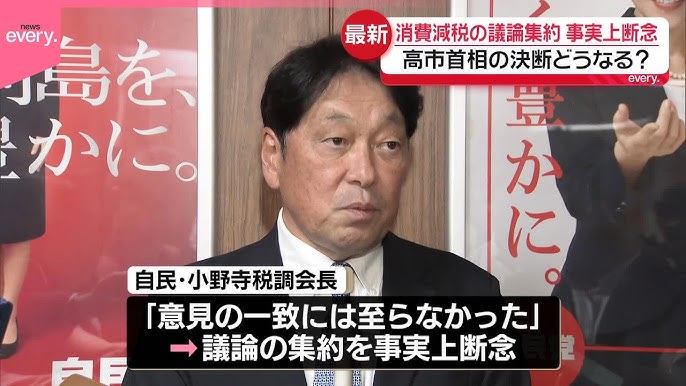
The Japanese National Assembly finds itself at an impasse over a proposed cut in the consumption tax. The debate has left lawmakers in a state of gridlock, with neither side able to secure sufficient consensus for their stance. The situation develops amidst a growing concern over Japan's financial health as it fights an economic slowdown.
In Japan, the issue of consumption tax is a significant focal point for many people, as it directly affects day-to-day living costs. The government has previously raised the consumption tax, citing the need for increased revenues to buffer against an aging population and rising social security costs. However, any changes to this tax are usually met with considerable public scrutiny due to its impact on the overall cost of living.
Consumption taxes, similar to sales taxes in the US or VAT in the EU, are often topics of heated debate. They tend to disproportionately affect lower-income individuals and households, leading to calls for reductions or exemptions. However, like Japan, both the US and EU face issues balancing the need for revenue with the potential negative impacts of such taxes.