
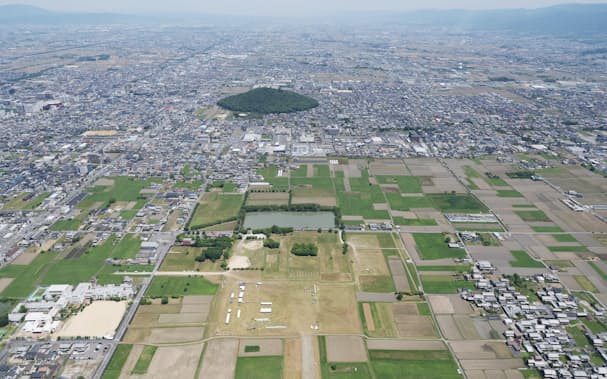
Japan's ancient Asuka-Fujiwara palace has been officially listed as a UNESCO World Heritage Site. This decision recognizes the historical and cultural value of the site, which was the capital during the Asuka and Fujiwara eras. The designation follows years of preservation efforts and campaigning to raise awareness about the site's unique history, architecture, and cultural legacy.
Within Japan, the recognition of a site by UNESCO is often viewed positively, associating it with cultural pride, national identity, and tourist attraction potential. Sites like Asuka-Fujiwara palace are not just historical treasures, but sites of collective memory embodying thousands of years of Japanese history. The recognition can increase local economic value by boosting tourism and related businesses.
In the US or EU, World Heritage Site designation also holds high prestige, often leading to increased tourism and investment in site maintenance. However, due to the relative youth of these regions' constructed landscapes, there may be fewer sites of ancient historical value compared to Japan.