
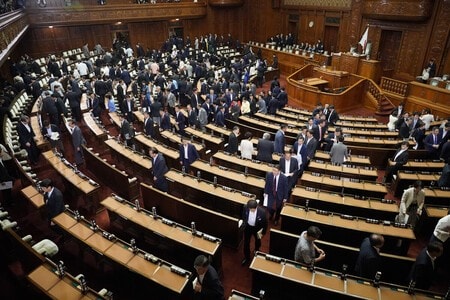
In a remarkable turn of events, the Japanese government has achieved a 100-percent approval rate for the proposed laws in the National Diet, reflecting the tight control of the majority party. It signifies a probable monopoly of power, which may boost decisive policymaking but also raise concerns for the prevalence of checks and balances in the legislative process. Further details about the passed bills, their significance, and public reaction are yet to be revealed.
In Japan, the ruling party often exercises significant control over policy and legislation. This piece of news underlines that fact, and the public has shown mixed reactions to such statistics. While some citizens appreciate the efficiency, others worry about the transparency and the need for an active opposition in a healthy democracy.
In countries like the US or EU members, a 100% approval rate for government-proposed laws is rare due to the existence of a strong opposition and distinct party ideologies. Such a scenario might indicate bipartisan support or emergency situations.