
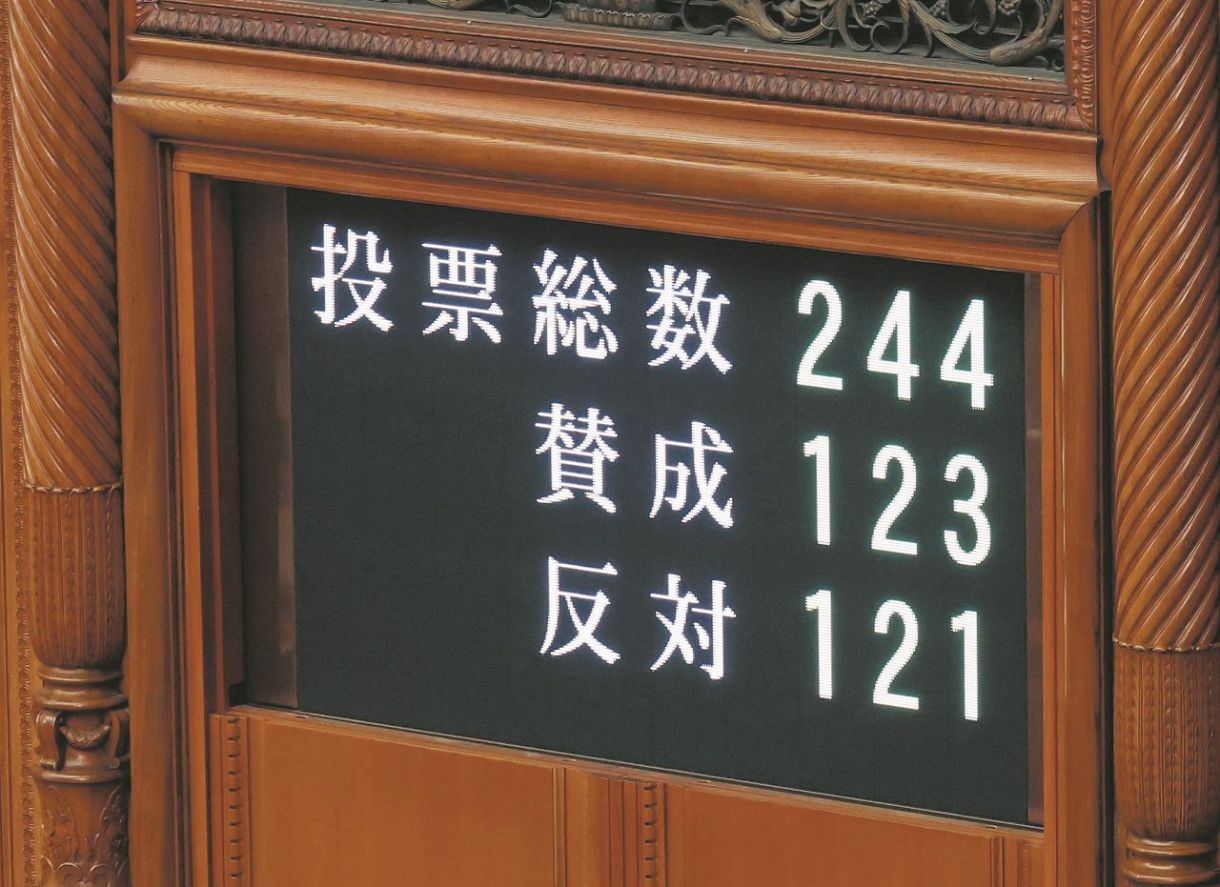
Japan's legislative body recently passed "The Dual Capital Plan," sparking a new era of decentralization. This significant move involves shifting some of the administrative functions that are currently centered in Tokyo to other regions. The plan aims to balance population and economic activities throughout the country. Details of the implementing policies are yet to be outlined, but the scheme marks an attempt to address the over-concentration in the Tokyo metropolitan area.
Over-concentration in Tokyo has long been an issue in Japan, leading to overcrowd, inordinate stress on infrastructure, and a growing gap between urban and rural areas. This news is a significant move towards sustainable urban planning as it attempts to distribute resources and opportunities more evenly across regions, and is thus an issue most Japanese people are paying attention to.
Decentralization is a common approach seen in many countries including the US and the EU. Typically, it involves reallocating powers, resources, and duties away from a central location or authority. An equivalent in the U.S. could be the distribution of governmental functions across state capitals and major cities, or in the EU, where multiple important institutions aren't concentrated within a single dominant city, but spread across member states.