
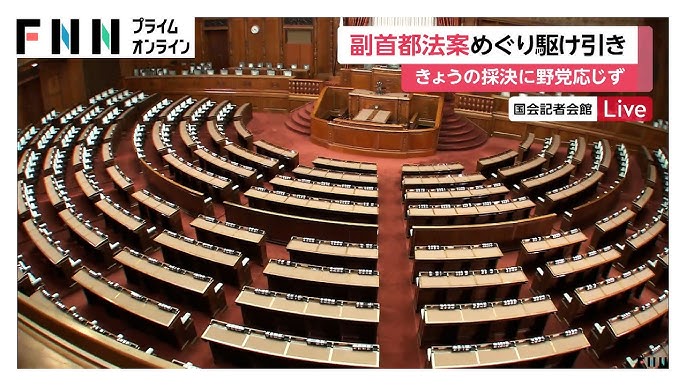
The deliberations over the Japanese Vice-Capital legislation—a major government bill—are reaching a crucial stage as both the ruling and opposition factions escalate their strategic tussles. This legislation, set to reshape Japan's urban landscape by establishing an alternative administrative center, has been the focal point of parliament for some time. Momentum is heightening with a heated display of political maneuvering as respective parties maintain stances that reflect their base's priorities and interests.
This news is significant in Japan as the legislation for a Vice-Capital essentially reflects a major structural leap in the nation's governance and urban planning. The proposal has garnered extensive scrutiny, sparking debates over cost-effectiveness, regional balance, and disaster risk mitigation. These discussions underscore Japanese society's profound concern for efficient administration, sustainable development, and disaster resilience.
Just as in the U.S. or EU, such strategic discussions involving urban planning and administrative restructuring draw considerable attention. They are usually framed within broader contexts like regional development, fiscal implications, and political balance. Public opinions vary significantly, and policymakers need to address these multifaceted issues carefully.