
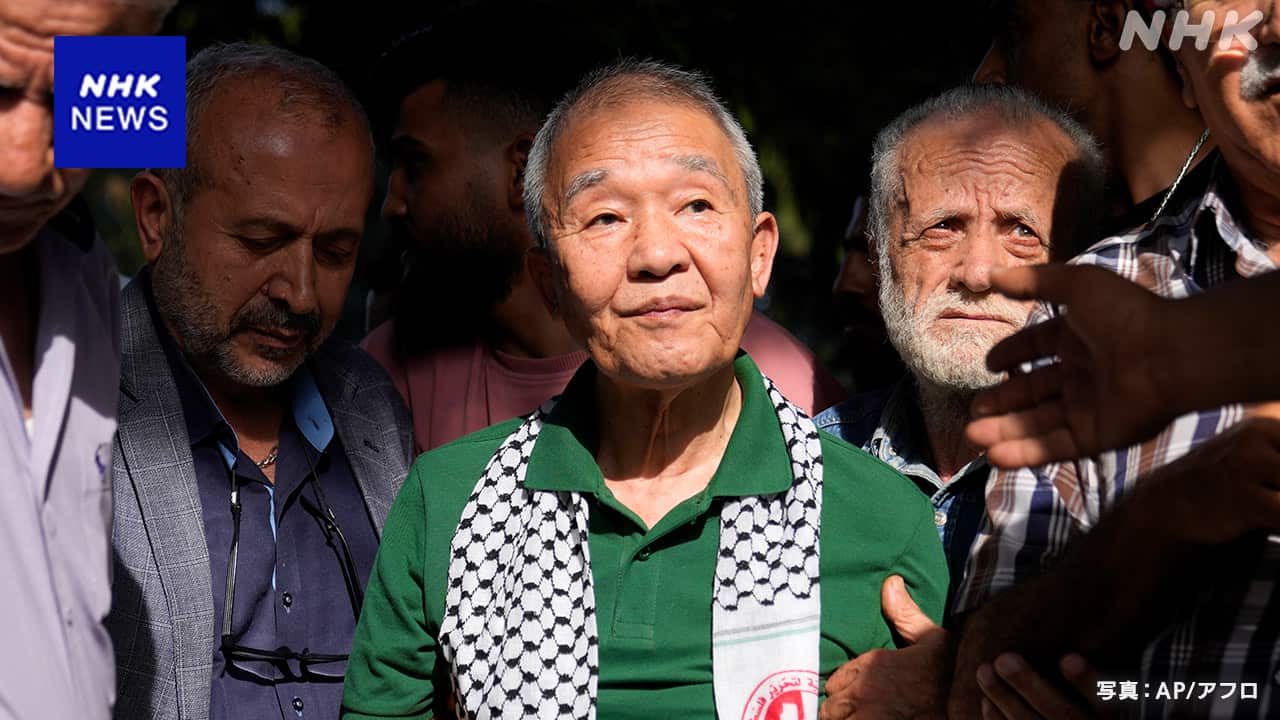
Kozo Okamoto, a former member of the notorious Japan Red Army, known for its infamous alliances and acts of terror in the 1970s, has passed away. His death has stirred memories of a turbulent era that impacted Japan and the world. While Okamoto was known for his involvement in terror activities, his death marks the end of a complex life, defined by both his deeds and the geopolitical landscape of the era instead of personal attributes alone.
The news of Okamoto's death represents a deep discourse in Japan, reminding people of a tumultuous period of post-WWII history. Being a still largely conservative society, Japan tends to deal with these issues carefully, highlighting the legal and social aspects. Many in Japan see Okamoto as a condemnable figure, involved in acts of terror undermining peace and security. However, others consider him a conflicted individual caught in the political struggles of his time.
The U.S. and EU, similar to Japan, have historically dealt with such characters in a complex way. Amnesty, hate, and often a call for justice counterbalance each other. The discourse around Okamoto's life and death would likely mirror the discussions surrounding figures like Che Guevara or, more recently, Osama Bin Laden.