
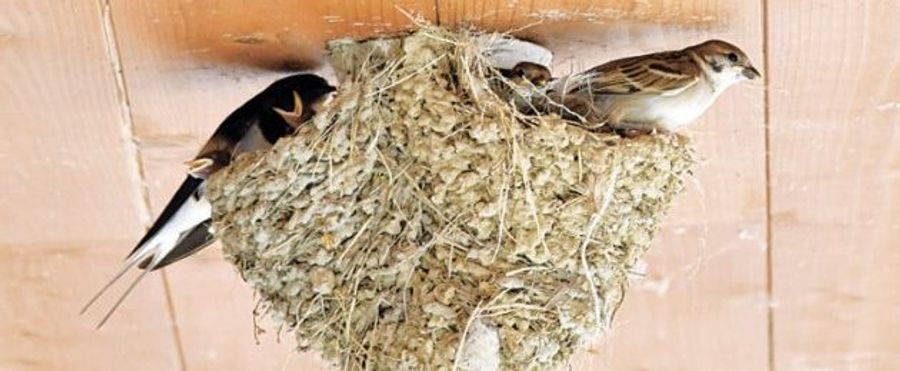
In a fascinating display of avian cohabitation, swallows and sparrows have been observed nurturing their offspring together in neighborhoods across Japan. These birds have been unusually nesting side-by-side in close proximity, crossing the species line in what ecologists describe as an adaptive co-parenting strategy. This unique behaviour, primarily observed in urban areas, offers a captivating insight into the adaptability and resilience of wildlife in densely populated regions.
In Japan, both sparrows and swallows hold symbolic significance, representing good luck, fidelity, and love. The unusual nesting behavior of these beloved birds has piqued the interest of ornithologists and ordinary citizens alike, inspiring a wave of appreciation for urban biodiversity. Moreover, these observances underline the importance of harmonious coexistence with nature, a value deeply ingrained in Japanese society.
In the US and EU, similar cases of interspecies cooperation are less common, but still occur occasionally, usually documented in cases involving domestic animals or between wildlife and humans. The Japanese example of sparrows and swallows co-parenting strikes a positive note in discussions around urban biodiversity and wildlife adaptation to human habitats.