
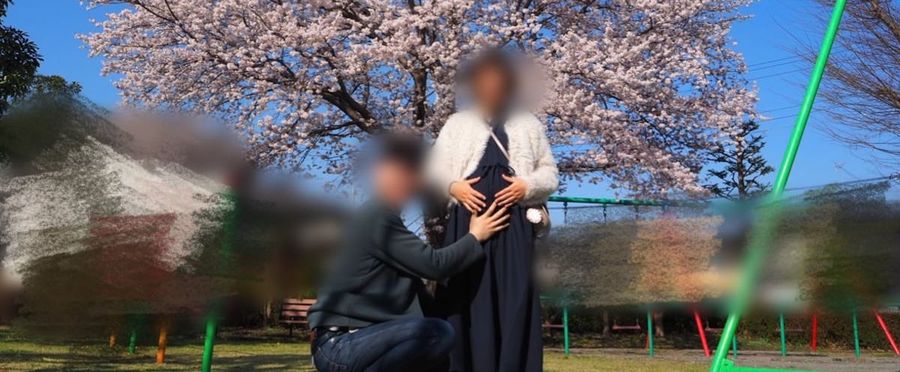
An issue has arisen concerning the right of pregnant nurses in Japan to be exempt from night shifts. The dispute, which has ignited debates about workplace rights and societal expectations, revolves around whether asking for such exception is seen as an excessive demand or a reasonable request. It further touches on how we should balance the need for adequate staffing at hospitals, particularly during late hours, with the well-being of expectant mothers who are also healthcare professionals.
In Japan, balancing work responsibilities and personal life, especially during pregnancy, is a fervent topic. Despite laws designed to protect pregnant women in the workplace, societal pressure and expectations can still make it difficult for women to assert their rights without being viewed as unreasonable or even disruptive. Central to this is a deeply ingrained societal value of commitment to one's job that often takes precedence over individual needs.
While in the US and EU, it's generally accepted that modifications to work duties, including shift changes, can be made for pregnant employees as part of their rights under anti-discrimination and maternity laws. The expectation is that employers should accommodate the health and safety needs of expecting mothers.