
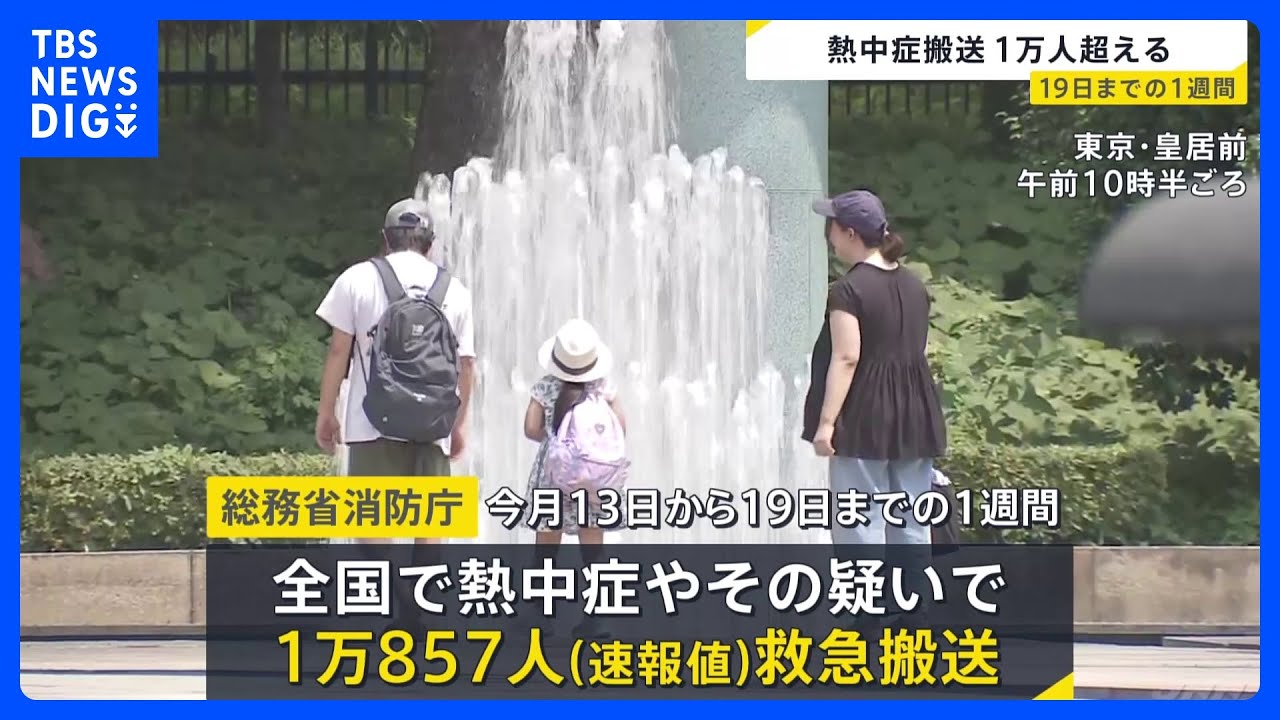
Japan has recorded over 10,000 heatstroke transports in a week for the first time this year, signalling peak heatwave season. This major public health concern typically rises dramatically as the country enters its hottest climate period. After such incidents, authorities caution the general public about the importance of hydration, seeking shade during peak heat hours, and paying special attention to elderly populations and children who are especially vulnerable to these heat-related illnesses.
Heatstroke is a significant issue in Japan, especially during the summer season when temperatures can soar to extreme levels. It's seen as a crucial public health issue, involving regular announcements from meteorological services and widespread awareness campaigns. It heavily ties into societal values of collective care and responsibility, as well as respect for the elderly, who are highly susceptible to heatstroke.
In the US and EU, heatstroke is also a seasonal public health concern, particularly in the hotter states or regions. There are various public health directives and campaigns to educate and protect the population, but it may not have as prominent place in public discourse as in Japan due to climate differences and diverse focuses in health issues.