
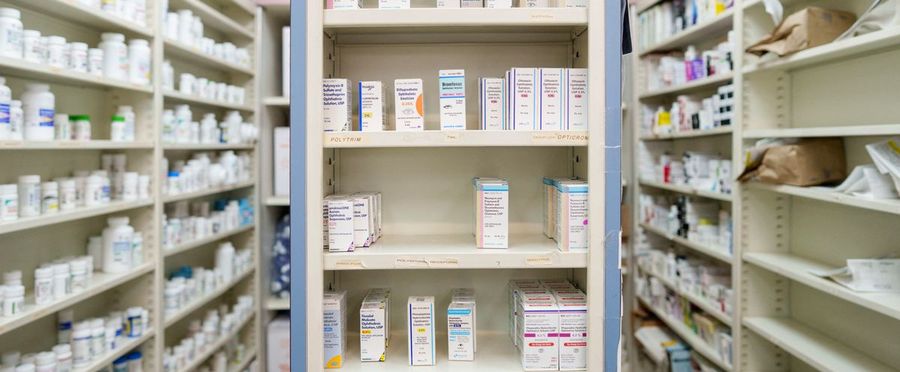
The U.S. has announced its decision to increase tariff rates on Japanese generic medicine to 100% in two years. This shift in trade policy will significantly affect Japan's pharmaceutical industry and its overall economy. Stakeholders are awaiting Japan's response to navigate this unexpected development.
The pharmaceutical industry in Japan is deeply intertwined with its healthcare system and heavily contributes to the country's GDP. The introduction of full tariffs on generic medicines, which tend to be more affordable for consumers, is anticipated to heavily impact Japanese consumers as well as producers. It raises issues of economic health, consumer affordability, and equitable market access.
In the U.S. or EU, a similar increase in tariff rates on imported medicines would stir up debates on healthcare policy, drug pricing, and international trade relations. It could lead to potential retaliatory measures, reviewing trade agreements, and discussions over market competition.