
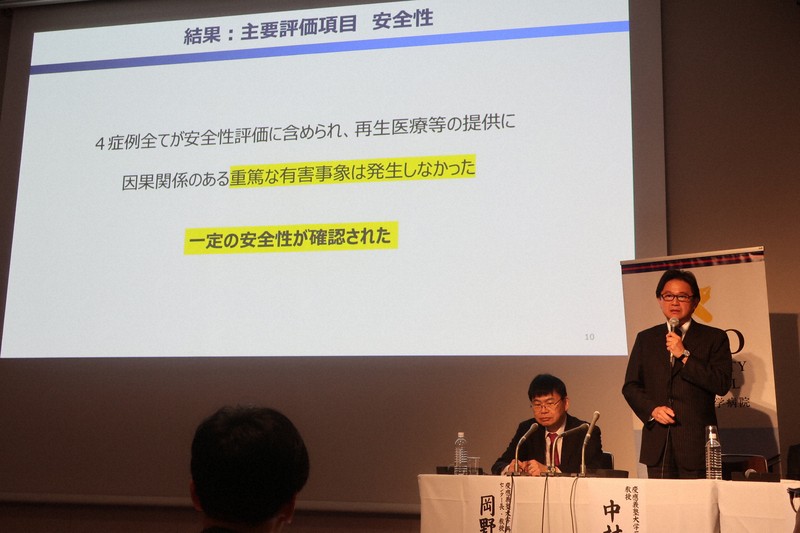
Multiple sources in Japan are reporting on a successful four-year observation period following an induced pluripotent stem (iPS) cell transplant procedure on a spinal cord. The patient, having undergone this groundbreaking therapy, has shown no significant adverse effects so far. The procedure, performed by a team of top Japanese researchers, represents a leap forward in the medical application of iPS cells.
Stem cell research, including the use of iPS cells, is a major subject of interest in Japan, underlined by significant public and private investment. The successful implementation of such treatment could pave the way for a new era in regenerative medicine. This story also reflects a blending of societal values in Japan - a balance between progress in science and medicine, as well as a respect for the ethical implications of such breakthroughs.
In the US and EU, stem cell research has also seen significant advancements. However, the progress tends to be more contentious, subject to a more divided public opinion centered around ethical considerations. This success story from Japan may lead to increased interest globally in the potential of iPS cell therapy.