
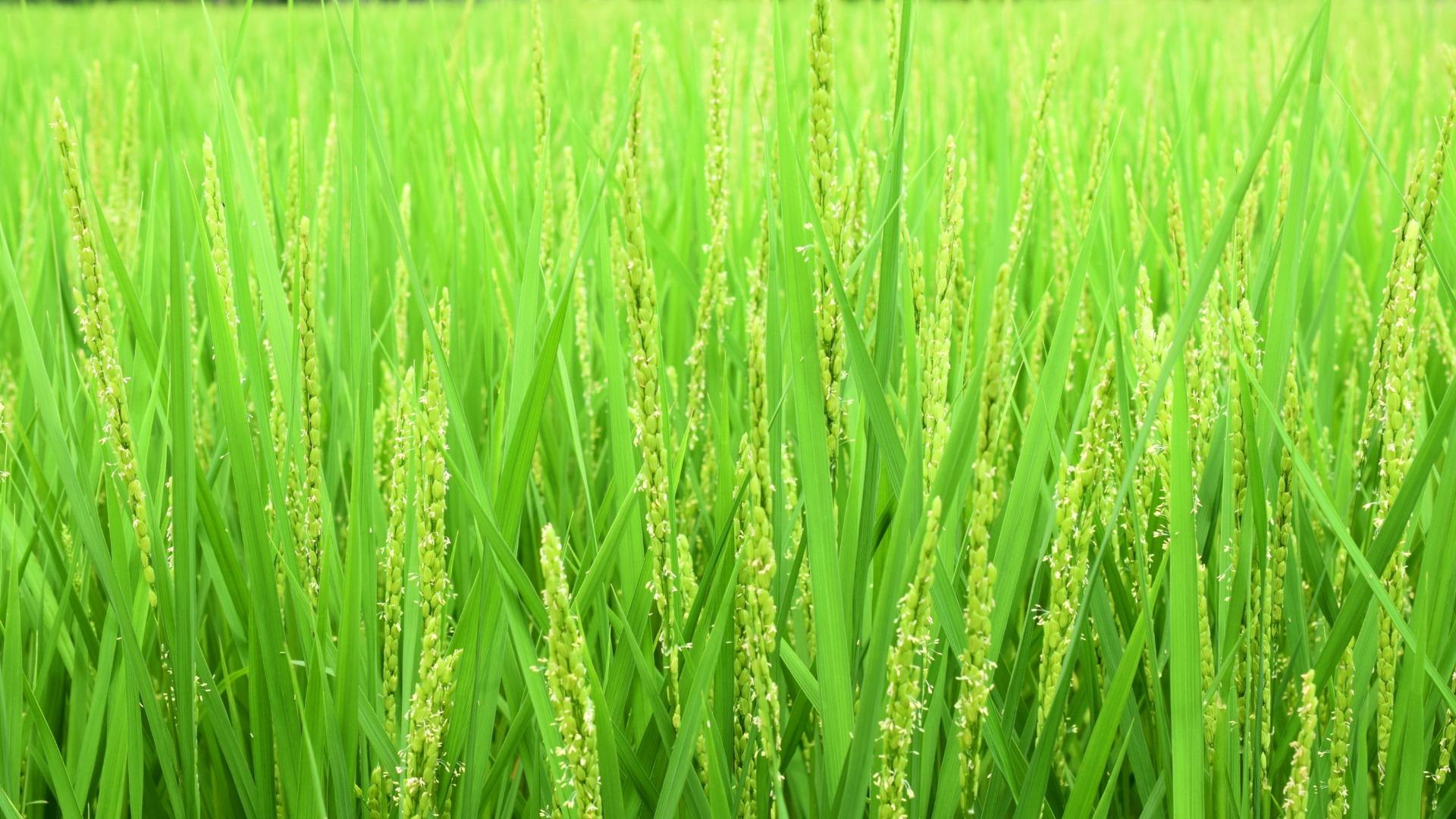
Japanese agricultural sector has been enduring a continuing downward trend in rice prices. While this brings joy to consumers, it fosters concerns among the farming community regarding their economic stability. The future course of rice prices will be greatly influenced by factors such as government policies, weather patterns, and international market movements. The article delves into these key determinants impacting the trend of rice prices in Japan.
Rice is more than just a staple food in Japan; it is deeply ingrained within the country's traditions and cultural identity. Japanese consumers and producers often prioritize locally grown rice due its perceived superiority in taste. However, declining rice prices could impinge upon the livelihood of rice farmers, potentially leading to a societal issue. Policymakers in Japan may have to strike a difficult balance between maintaining farmer's income and affordable prices for consumers.
In the US or EU, the situation of declining agricultural commodity prices often triggers government intervention. They either extend subsidies to farmers to secure their income or implement import tariffs to defend domestic producers from competition. However, these practices often lead to trade disputes.