
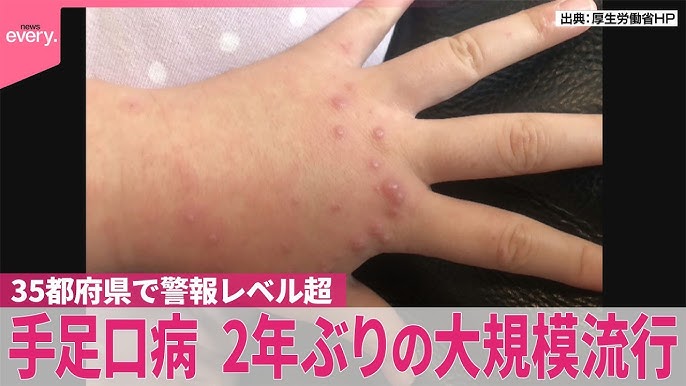
35 prefectures across Japan have exceeded alert levels for hand, foot, and mouth disease, a contagious illness primarily affecting children. Infected areas are implementing measures to contain the disease and protect the high-risk demographic. Despite its prevalence, the illness is generally not severe, though the sudden increase in cases is being closely monitored by health officials for potential major outbreaks.
In Japan, hand, foot, and mouth disease is quite common, particularly during school terms, and is taken seriously due to its infectious nature. Water cleanliness and personal hygiene are given high importance to prevent the spread, resulting in closures of schools and daycare centers during outbreaks.
Similar to Japan, the US and EU also face occurrences of hand, foot, and mouth disease, especially in summer and autumn. In the US, the Centers for Disease Control and Prevention (CDC) regularly communicates guidance to parents, caregivers, and school administrators. Most EU countries have established guidelines for outbreak management, including isolation of infected children and maintaining hygiene standards.