
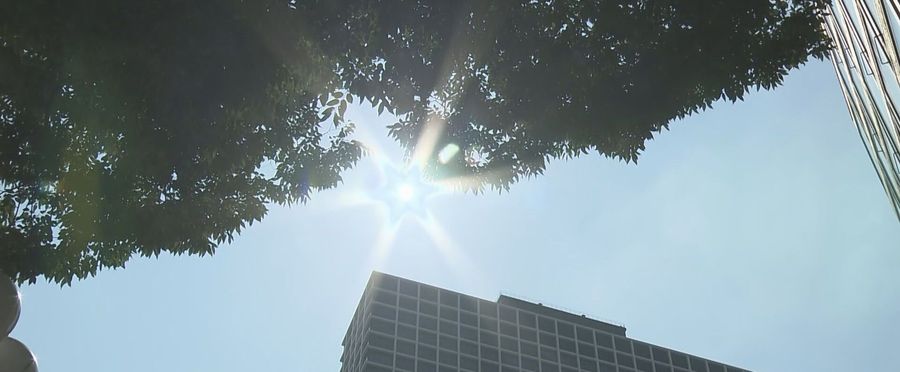
Japan recorded its first 'Extreme Summer Day' of the year in Gujo city, Gifu Prefecture, marking the onset of intense summer heat nationwide. An 'Extreme Summer Day' is declared when temperatures soar above 35 degrees Celsius. Residents are urged to take necessary precautions to avoid heatstroke. The Japan Meteorological Agency is closely monitoring the situation and providing timely updates.
In Japan, extreme heat is a crucial public concern. As temperatures rise above 35 degrees Celsius, dubbed 'Extreme Summer Days', this poses risks to public health, particularly heatstroke. The government and local communities encourage precautions such as staying hydrated, avoiding direct sunlight, and using air conditioning. Japanese media often broadcast warnings and advice for coping with the heat.
In the US and EU, extreme heatwaves are similarly treated with serious caution. Authorities frequently issue public warnings and safety advice. However, infrastructure and preparedness may vary depending on the specific region's familiarity with heatwaves. In some European countries, for instance, almost all houses and services are equipped with heating systems but not all are fit for cooling during intense heatwaves.