
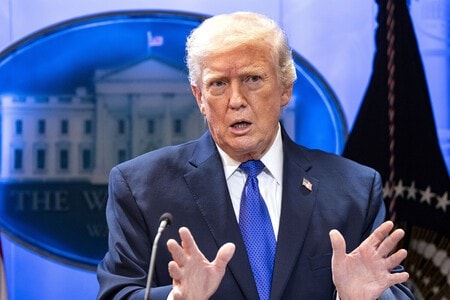
Japan is heading towards the expiration of the global-standard 10% alternative tariffs. This shift in economic policy impacts both local and international industries interacting with Japan's trade market. It's yet to be seen what the resultant financial landscape will bear for businesses and consumers, both domestically and abroad.
Within Japan, tariffs significantly affect the prices of imported goods and the competitiveness of domestic industries. The expiration of this tariff will have multiple ramifications on the Japanese market, from potentially decreased prices for consumers to increased competition for local businesses.
In contrast, the US often uses tariffs as a tool to protect domestic industries from international competition. Meanwhile, the EU is more likely to employ tariffs as a response to unfair trade practices, serving to regulate international trade.