
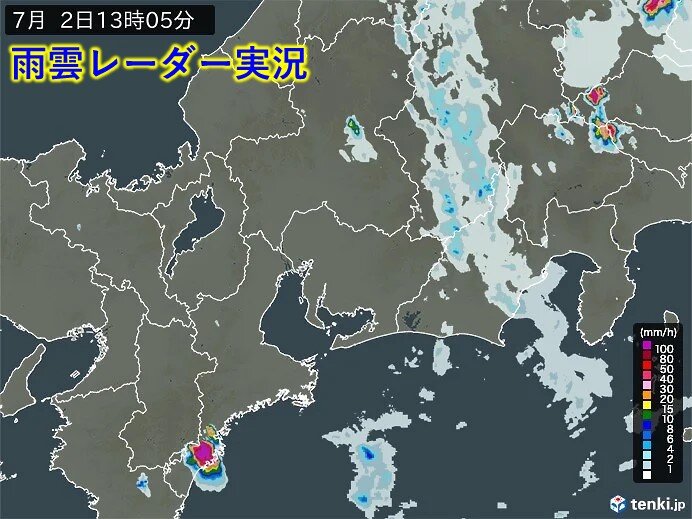
Japan’s Kanto region and other areas are eagerly awaiting the end of the ongoing rainy season. Citizens are being urged to be prepared for imminent high temperatures that usually follow. As forecasts predict the rainy season, locally referred to as 'tsuyu,' may uplift soon, government agencies and health officials are recommending measures such as staying hydrated and avoiding sun exposure to the elderly and children in particular, who are most vulnerable to heatstroke.
The transition from the rainy season to summer in Japan is an important weather event that has significant implications for citizens’ daily lives and health. The intense heat following the rainy season often leads to an increase in heatstroke cases. Therefore, the Japanese weather service and the government actively encourage people to take preventive measures. The temperature change is managed on a social level as well, with schools and businesses often modifying schedules to accommodate the heat.
Temperature transitions are also taken seriously in the U.S. and EU, although the nature of these transitions can differ. In the U.S., for instance, areas prone to tornadoes or hurricanes have systems in place for warning and preparation. In the EU, particularly the Mediterranean region, people also brace themselves for the summer heat. However, these regions don't experience a rainy season like Japan does, making the transition of weather patterns in Japan particularly distinct.