
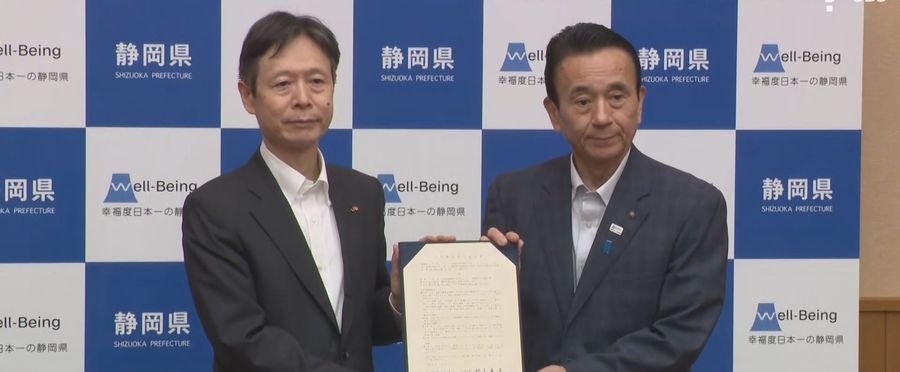
Japan's Central Japan Railway Company (JR Central) and Shizuoka Prefecture have reached an agreement on the Linear Chuo Shinkansen project. This development marks a significant step in the ongoing dialogue between the railway company and local administration over the construction of this high-speed magnetic-levitation train line. The agreement addresses environmental and financial implications, thus setting the stage for further progress in connecting Tokyo and Osaka in less than an hour.
In Japan, the Linear Chuo Shinkansen project is seen as monumental not just in the transportation sector but also for regional economies, owing to the potential boost in business and tourism. However, environmental concerns, including impact on natural water resources, have been a sticking point. The agreement signifies consideration of local apprehensions and portrays the commitment to balance advanced infrastructural development with environmental preservation.
In the US or EU, similar large-scale transportation projects are also treated with the equal mix of economic anticipation and environmental apprehension. For instance, the California High-Speed Rail project in the US faced similar tensions. Proponents of these developments emphasize their potential to revolutionize travel and stimulate the economy, while opponents stress environmental concerns and financial feasibility.