
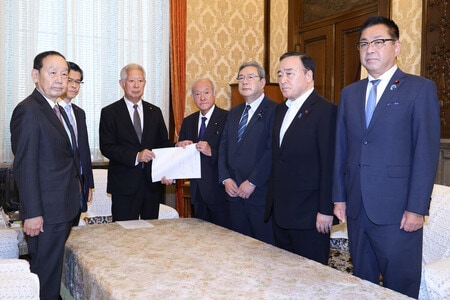
The Japanese Parliament has decided to extend its current session by eight days, stretching it until the 25th of the current month. This unexpected development is aimed at allowing time for further discussions and resolutions involving key legislative issues. The decision came after several arguments and debates among parliament members, reflecting the dynamic political sphere within the country.
As the national legislative body, the extension of the session in the Japanese Parliament elicits attention as it signifies potential changes in policies or laws. The duration of the session often reflects the severity and intensity of the issues being discussed. Public opinion varies, with some seeing this as an opportunity for thorough deliberation, while others perceive it as an indicator of disagreement and political stalemate.
Much like the US or EU, extensions of parliamentary or congressional sessions in Japan similarly signify important legislative discussions. However, in contrast to the EU and US, where session extensions often denote emergency situations or major disagreements, in Japan, it could merely indicate an emphasis on detailed, comprehensive discussions, reflecting their traditional focus on consensus-building.