
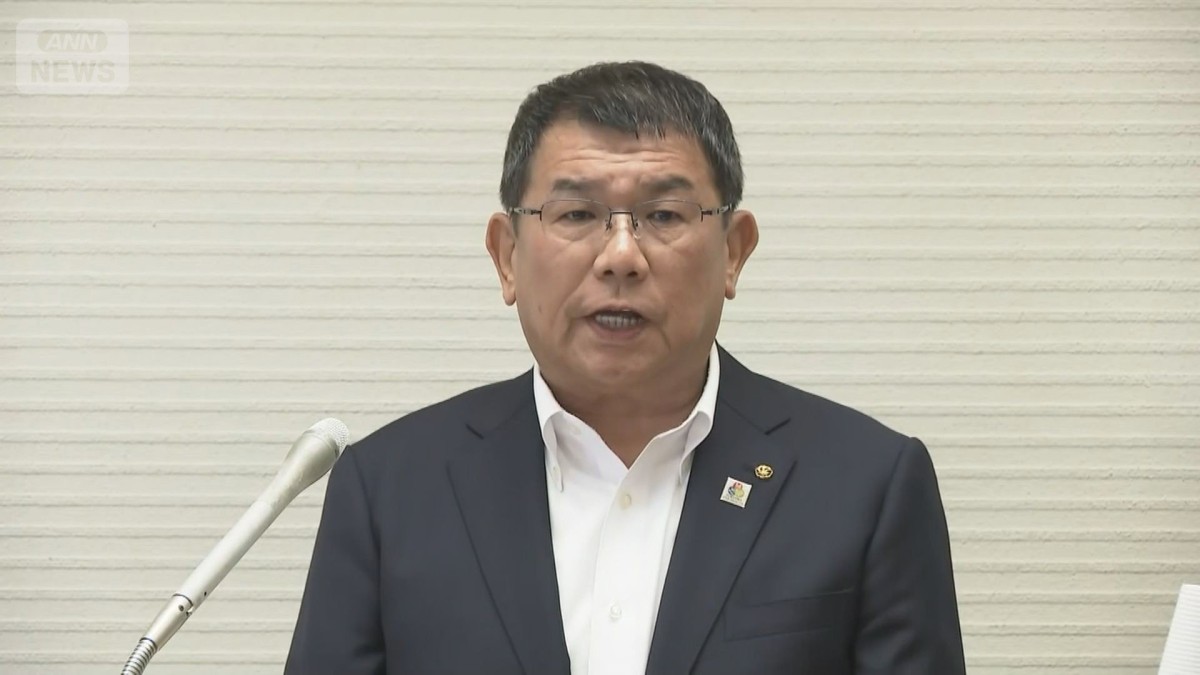
The Speaker of the Fukuoka Prefecture Council in Japan has publicly denied allegations of receiving illicit financial benefits. These allegations surfaced recently, with critics accusing the Speaker of engaging in reprehensible acts punishable by law. The Speaker, however, maintains his innocence, insisting no such transaction took place, thus sparking a whirlpool of controversy in the political landscape.
In Japan, corruption cases within political ranks draw significant public interest, particularly as they are seen as contradicting the societal values of integrity, transparency, and honesty. Japanese people have a notably low tolerance for public officials engaged in unethical conduct due to strict sociopolitical norms. Therefore, instances like these become major issues, causing a stir in the public and the media.
Comparable to the U.S. or EU, allegations of financial impropriety against political figures are taken very seriously. These allegations often lead to intense scrutiny from the media, public and law enforcement agencies. Depending on evidence and legal outcomes, such scandals can often end political careers and trigger key changes in political landscapes.