
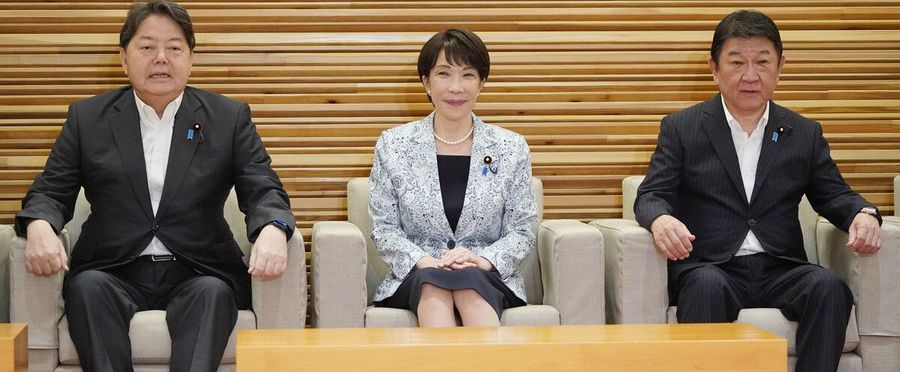
Japanese government officials and ruling party representatives have been coordinating efforts to extend the current parliamentary session until 25th. This move stems from a necessity to allow sufficient time for thorough discussions on key policy matters. The date for the extension and crucial specifics of the arrangements are still being finalized, offering a tense political landscape in the country.
In Japan, extending a Parliamentary session is seen as serious business because it indicates urgent and important matters that require in-depth discussions and decisions. Therefore, people are keen to understand the reasons behind such moves, including their implications on policy decisions and economic factors. There's also the notion of accountability, as citizens demand their elected representatives use extra time productively.
Similar to Japan, in the US or EU, the decision to extend legislative sessions indicates pressing matters. In the U.S, extraordinary sessions can be called upon, but typically sticks to a regular legislative calendar. In the EU, the Parliament can reschedule or extend its plenary sessions as required. However, in all these scenarios, transparency and accountability weigh heavily on these decisions.