
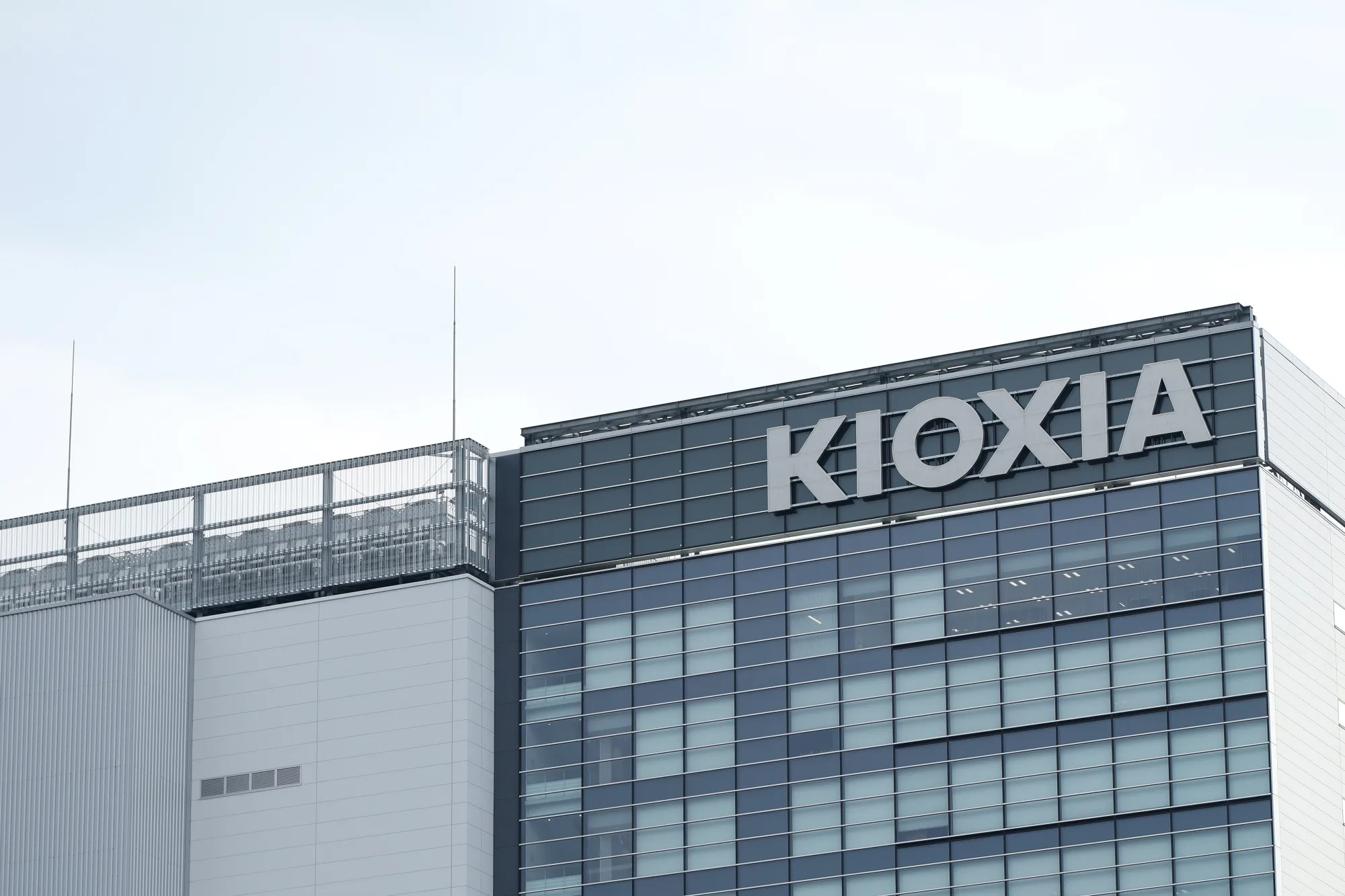
Japanese semiconductor company Kioxia Holdings Corporation has seen the value of its shares plummet since it went public, tumbling by 50% from its initial listing price. This drastic fall follows Kioxia's recent initial public offering (IPO). While specific reasons for the slump are not yet available, some market watchers speculate it could be due to a variety of factors such as operational performance, market conditions and company's future prospects.
Japan's stock market is highly responsive to the performance of its tech industry, which holds a significant portion of the overall market capitalization. The story of Kioxia's share price plummet is thus seen as a barometer for Japan's broader tech industry and economy. Japanese investors and traders are keeping a keen eye on Kioxia to spot possible trends in the sector.
In the US or EU, a similar situation would be treated with gravity by investors, regulators, and market watchers. Initial public offerings (IPOs) are seen as a significant milestone in a company's lifecycle and a massive dip in share prices post-IPO can be a source of concern over the company's performance and stability. However, market responses vary based on investor sentiment, market conditions, and the context behind such fluctuations.