
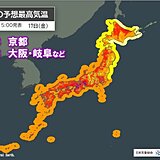
Extreme summer temperatures are sweeping central Japan, particularly in the Kinki and Tokai regions, sounding alarms for locals and authorities alike. Rising temperatures, reported to be unusually high for the season, pose a threat to public health, with the elderly and vulnerable groups at greatest risk. Government agencies and local communities are being called to action, with heatstroke prevention measures and raised public awareness campaigns being highlighted as essential responses.
Heatwaves in Japan are a significant annual concern, particularly due to the country's aging population, who are more susceptible to heatstroke and other weather-related health risks. The news is treated with urgency and utmost seriousness, as timely and efficient response aids in mitigating the potential dangers. Key considerations include everything from infrastructure readiness to public awareness, with particular focus on widely disseminating necessary safety information.
In contrast, in the USA or EU, severity and response to heatwaves might vary due to geographical, infrastructural, and demographic differences. For instance, in some Southern European countries or Southern states in the US, high temperatures are more frequent and the public and services might be more accustomed to dealing with them. However, in Northern US or Northern Europe, where high temperatures are more sporadic, the response might be less routine, potentially leading to increased risks.