
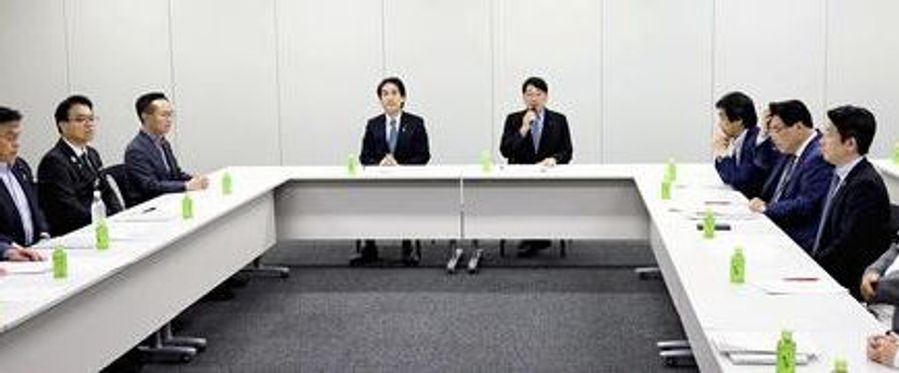
Japan has reached a consensus on the implementation of an income-linked subsidy system, set to be launched in fiscal 2029. This change aims to create a social security system where benefits are proportional to one's earnings. The modification is driven to ease the financial burden on individuals and households. Specific details regarding the coverage and nature of these linked benefits are yet to be outlined.
Japanese society highly values social security and financial stability. As Japan is a rapidly aging society with a declining workforce, the strain on the social security system is a frequently discussed topic. The promise of income-linked benefits eases this worry by providing more aid to those with less income, respectively.
In comparison, western countries such as the US and EU have mixed systems, with both public and private sectors providing welfare. The US utilises programs like Medicaid, which takes into account ones' income. The EU more commonly adopts a standardized system provided by the government, similar to Japan's proposed changes.