
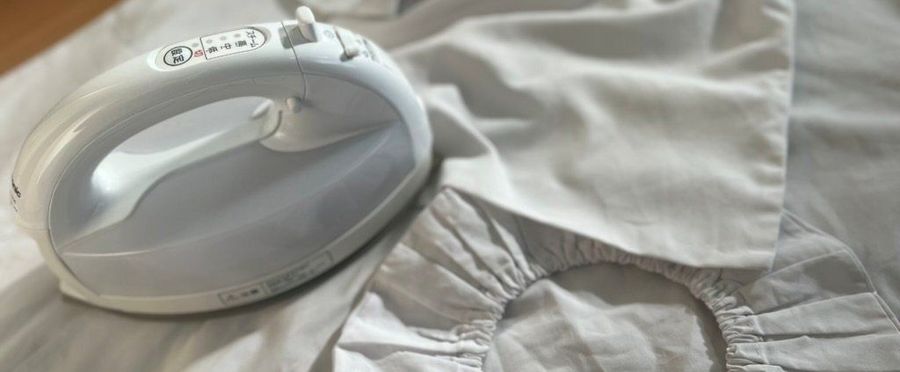
The article delves into a debate among Japanese mothers regarding the requirement of ironing children's school uniforms, particularly the ones worn during meals, known as 'kyushoku-gi.' It's not uncommon in Japan for mothers to meticulously iron their children's uniforms for the sake of appearance, but a recent rise in active discussions, particularly online, is questioning the necessity. Questions emerge regarding if such habits contribute to an unnecessary burden or a way to inculcate discipline and responsibility in children.
In Japan, the question of ironing school uniforms is not just about chores but also involves deeper cultural connotations of discipline, presentation, and respect for uniforms. The practice is rooted in the country's tradition of respect for schools as a space of knowledge and learning, with the uniform representing that space. The school uniform is seen as a symbol of a child's commitment to education.
In contrast to Japan, the practice of ironing school uniforms is less emphasized in the US or EU. In some countries the idea of school uniforms itself is not universally accepted. Uniform standards, if present, are usually enforced by the school authorities, with less focus on the students' parents' responsibilities.