
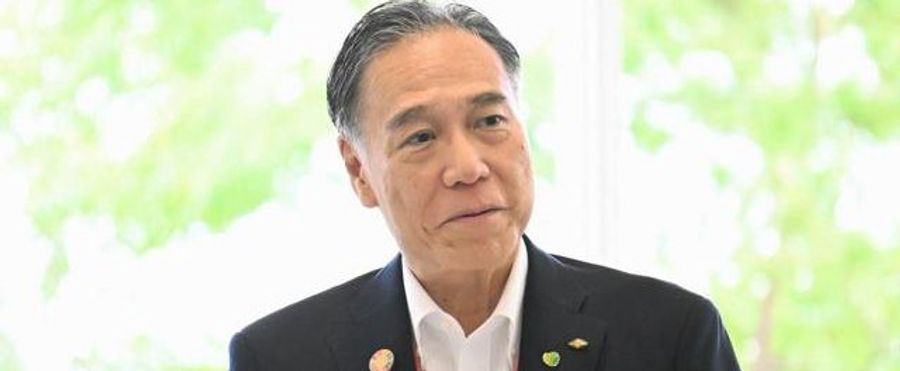
Lawmakers in Japan are considering a proposal to exempt public vehicles from NHK, the national public broadcasting organization, licensing fees. This move comes in response to increasing concerns about the escalating cost burden on public institutions. While still in its preliminary stages, the call for exemptions is sparking heated debates regarding the funding model for public broadcasting in Japan.
In Japan, all households and businesses owning a television are required to pay a license fee to NHK. However, growing discontent about the increased financial burden this places on public institutions has led to a call for reform. The issue is especially pertinent due to the common usage of TV monitors in public vehicles for news and public service updates. The ever-rising fees have become a source of concern not only for the government body managing these vehicles but also for the Japanese public, who believe the cost is too high.
In countries like the United States and those in the European Union, public broadcasting services are typically funded through a mixture of license fees, government funding, and donations. The allocation of license fees varies, and there is often room for exemptions depending on the situation. This differs from Japan, where the license fee is more uniformly applied, leading to the current debate.