
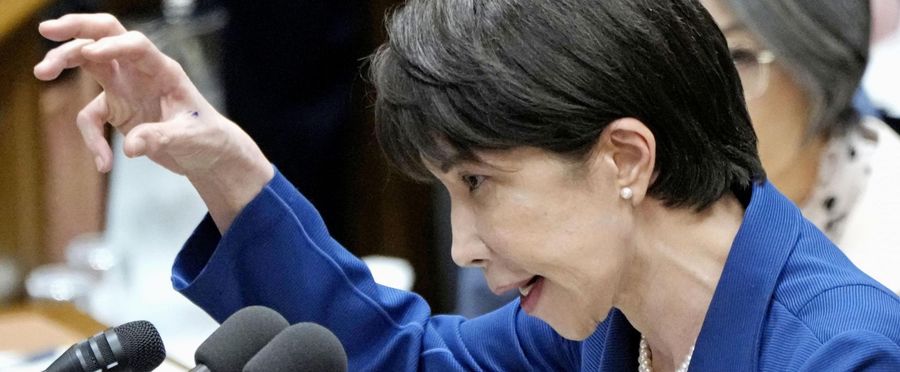
The Prime Minister of Japan has indicated a decision will be reached on a proposed reduction in consumption tax by early August. It seems this move is a response to continuous lobbying by economic experts and business leaders. This announcement signals a significant move that would potentially stimulate consumer spending and help bolster Japan's economy, which has been struggling amidst global economic uncertainties.
In Japan, consumption tax is a significant contributor to government revenue, hence any reduction is closely watched. Key stakeholders including the business community, salaried workers, elderly population who are largely dependent on pensions for their livelihood, and the Prime Minister's political opponents all have vested interests. The consumption tax has previously had implications on public sentiment, making it a topic of high public interest and one for which the Prime Minister's handling of the situation could greatly influence his popularity.
In comparison to Japan, the U.S. or EU may view tax reduction strategies differently. For instance, in the U.S., states have the autonomy to set their own sales tax rates, and a reduction would largely be influenced by local politics. In the EU, Value Added Tax (VAT) is used instead of consumption tax, and adjustments are more uniform across member states, requiring a more complex, multilateral negotiation process.