
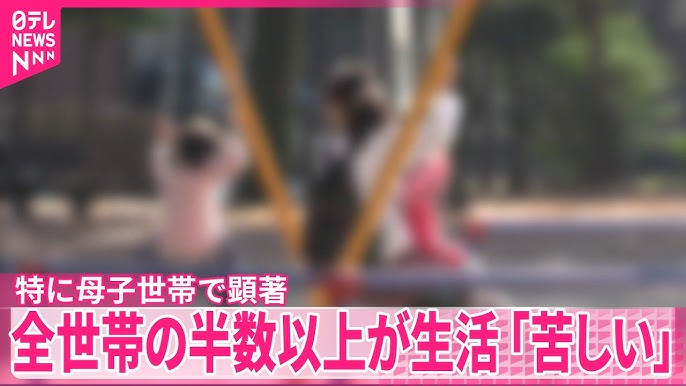
A recent survey conducted by Japan's Ministry of Health, Labour, and Welfare reveals over 50% of respondents report struggle to meet their basic needs. This alarming figure highlights further the impending socio-economic issues the nation is facing. The survey is part of an ongoing effort to gauge the standard of living in the country, the results of which are expected to directly affect national policy formulation and budget allocations for social programs.
Japan, despite being a highly developed and modern society, is dealing with an increasing poverty and wealth inequality problem. Elders and single-parent households seem to be the most affected. Japanese society traditionally values self-reliance, which can lead to stigmatism towards those needing support. This increasing struggle for basic needs raises significant social and economic concerns across the nation.
In contrast, societies like the US and EU have long-recognized assistance programs and welfare measures. However, they too are battling wealth inequality. The scale of poverty acknowledgment and government response varies, but the general approach involves establishing a strong social safety net.