
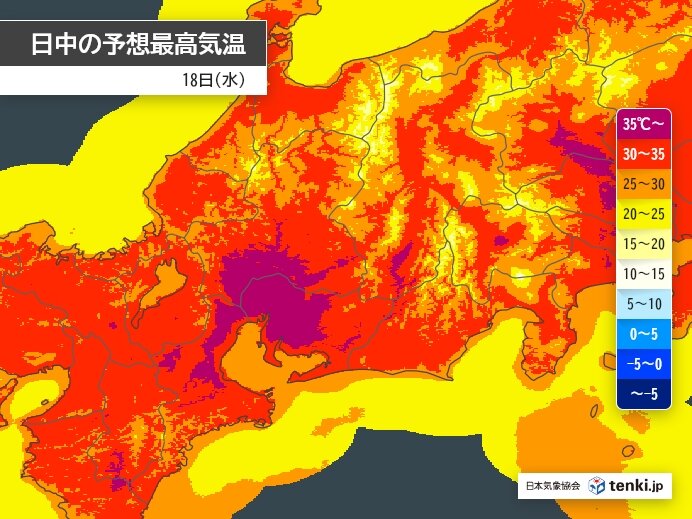
Japan is on high alert for potential heatstroke cases as regions across the country experience temperatures equal to the human body. Local authorities and healthcare professionals have joined forces, urging the public to stay hydrated, avoid outdoor activities during the peak hours, and equip themselves adequately while out. The spike in temperatures, which is out-of-season, throws into sharp relief the effects of the global climate crisis and its direct impact on public health.
Heat-related illnesses, particularly heatstroke, are a serious concern in Japan during the warmer months. The country's aging population, many of whom live on their own, are at a higher risk. As a result, the Japanese government and local communities take the issue seriously and often launch public awareness campaigns on prevention measures.
The issue of heatstroke and other heat-related illnesses are likewise a health concern in many parts of the United States and Europe. The US, for example, also has public health warnings and public service announcements to help prevent such medical emergencies. However, the issue might be more acute in Japan due to its demographic profile, which has a large portion of elderly citizens who are more susceptible to extreme heat.