
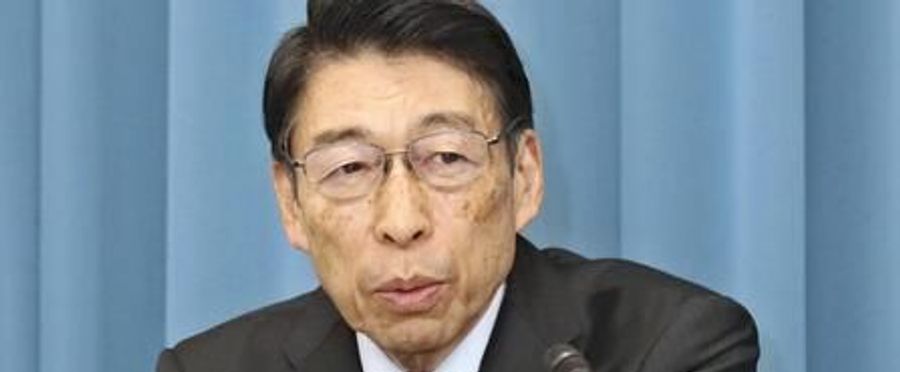
Fukuoka’s governor, in a recent development, has voiced his preference for provincial council members to abstain from referring to him as "sensei," a term used for teachers or people of high esteem. Advocating for a more familiar approach in addressing each other, it prompts a debate on the formalities in Japan's political spaces. The governor's intent focuses on key issues of organization culture and hierarchy in provincial governance.
Japan, known for its cultural emphasis on respect and hierarchy, often addresses individuals in professional settings using honorifics such as “sensei.” The governor's request to be referred to without this honorific could be perceived as an effort to modernize and introduce a less hierarchical system within the political space. This change could create a more approachable atmosphere in governance, but at the same time, could challenge traditional norms.
In comparison to Japan, US or EU political institutions generally follow a less formal addressing style. Politicians and officials are usually addressed by their professional title followed by their last name. They do not typically use honorifics that imply a significant status difference.