
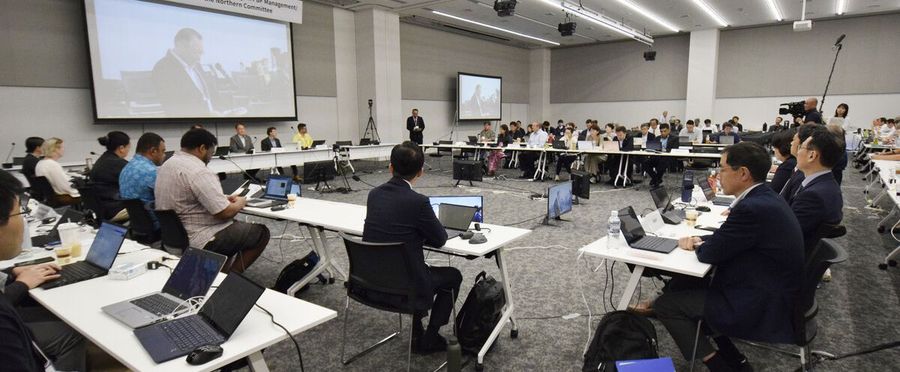
Talks on expanding the fishing quotas for bluefin tuna, one of Japan's most prized seafood, have failed to reach an agreement. Fishery organizations and officials from across the country congregated to deliberate policies on the size of catches, emphasized the depletion in population due to overfishing, and proposed sustainable management strategies. However, the conference concluded without any resolutions, keeping the current limits in place for now.
In Japan, bluefin tuna is a highly-valued component of sashimi and sushi, making it a critical asset for the economy. However, environmental advocates voice concerns about its dwindling population due to overfishing. The lack of an agreement is viewed by some as a failure to safeguard the species and the sustainability of the fishing industry, amidst government's struggle to balance these factors with socio-economic needs.
Internationally, namely in the US and EU, issues of overfishing are addressed with stringent fishing regulations and quotas. There is a strong push towards sustainability, with penalties in place for overfishing. These regions typically support international initiatives focused on ocean conservation and sustainable seafood practices.