
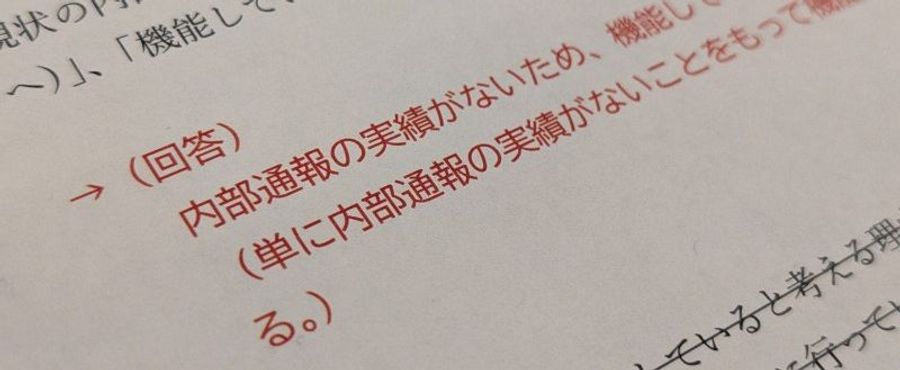
An investigation has found that in Ehime Prefecture, Japan, there have been zero internal reports for the past 20 years. This refers to incidents that should have been formally reported to higher authorities such as corruption, malpractice, or irregularities. The story raises concerns about the level of transparency in the region's governance. Further investigation is being conducted to assess the situation.
Internally reporting incidents related to misconduct, corruption, or irregularities is an important part of Japanese bureaucratic structure and societal ethics. In this context, the lack of reports could suggest two good scenarios - true clean governance or a bad scenario of suppressed whistleblowing. The latter, if true, is viewed with severe criticism due to Japan's strong cultural emphasis on transparency and accountability in governance.
In the US or EU, lack of internal reporting is also taken seriously. Authorities invest significantly in whistleblower protection programs and there are laws to protect individuals who report misconduct. A situation like this in these countries would potentially lead to serious investigations and could result in legal repercussions if found to be due to suppressed whistleblowing.