
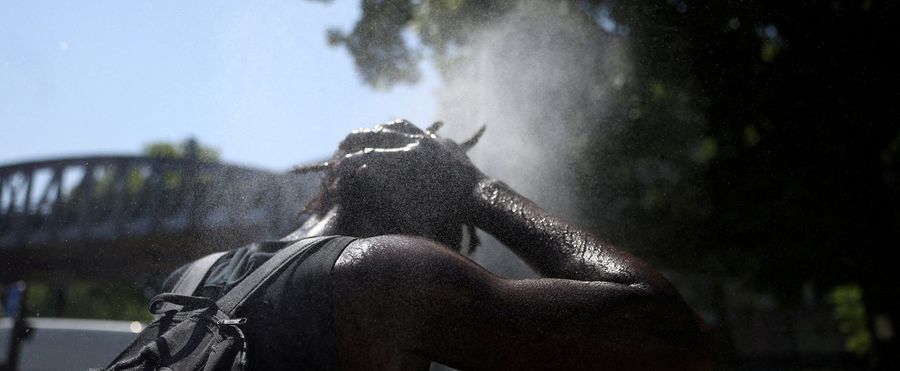
Unseasonal extreme temperatures have swept across Europe, leading to more than 10,000 deaths. The high death toll is possibly linked to the heatwave, although further studies are needed to confirm the exact cause. While the heatwave has affected several parts of Europe, the data from specific regions is still being collated. Various governments, along with health and environmental organizations, are urging citizens to adopt precautions and are providing guidance to safeguard against this unusual weather pattern.
In Japan, weather-related news such as heatwaves is taken very seriously due to their impact on an aged society and the memory of recent calamities caused by climatic extremes. Such issues revolve around health and safety, climate change, emergency planning, and social support for vulnerable groups, such as elderly people and those living alone. There is also a focus on the potential effects on the economy, mainly due to disruptions in everyday activities and labor productivity.
In the US or EU, such heatwave news would be handled similarly, focusing on public safety, health risks, and climate change discussions. However, there might be a stronger emphasis on infrastructure resilience, energy usage (especially cooling systems), and the political dimensions of climate change response and preparedness.