
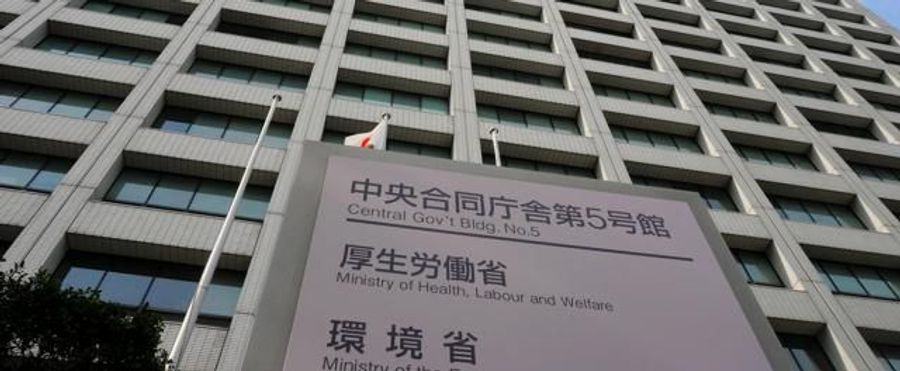
In a move to enhance food safety, Japanese authorities are preparing to establish the very first guidelines for the consumption of raw chicken. An increasing trend in Japan, eating raw chicken has posed public health concerns such as salmonella. Upon implementation, these guidelines will set the standard for handling, preparation, and consumption of raw chicken in restaurants and potentially at homes. The release date and detailed content of the new regulations have yet to be confirmed.
Eating raw chicken, also known as torisashi or chicken sashimi, is considered a delicacy in some parts of Japan. However, with growing public health concerns about food-borne diseases, especially Salmonella, the safety of this practice has come under scrutiny. The general consensus regarding meat preparation in Japan leans towards stringent safety practices.
In contrast, consumption of raw poultry is generally avoided in the United States and the European Union due to the high risk of Salmonella and Campylobacter. Regulations and guidelines in these regions are quite strict. Raw chicken is seen as a potential threat to public health, and establishments that serve it may face serious penalties.