
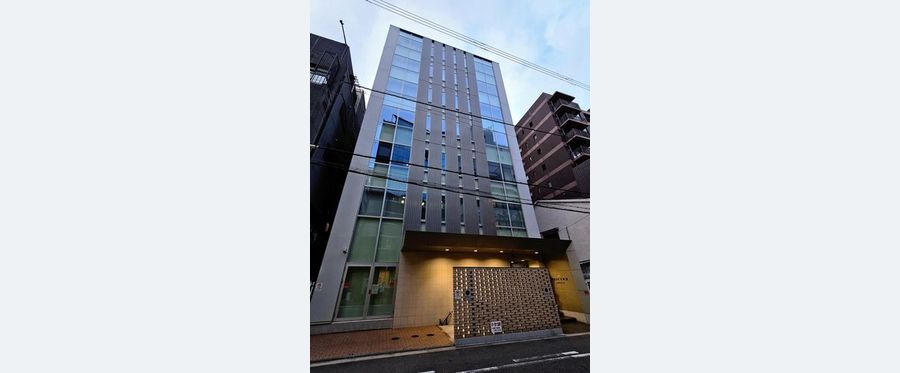
Retail giant Zento Shin has filed for bankruptcy, causing ripple effects throughout the Japanese economy. The firm's collapse, announced today, has resulted in outrage from contracted stores over unpaid accounts. The details of the financial debacle, including its causes and potential impact on Japan's retail sector, are yet to be fully revealed. The insolvency marks another blow for Japan's businesses grappling with the pandemic's economic fallout.
This bankruptcy will undoubtedly generate significant attention within Japan, given Zento Shin's standing in the retail sector. Many Japanese people value stability and long-term relationships with businesses they patronize, so when a popular firm declares bankruptcy, it often garners palpable public disappointment. The legal and societal implications are extensive as well, given the likely ripple effects this bankruptcy could have on associated businesses and their employees.
Much like in the US and EU, bankruptcy of significant corporations in Japan can trigger broader economic concerns, especially if it affects a vast number of smaller businesses and suppliers. However, societal reactions might be more pronounced in Japan, where corporate longevity and stability are particularly valued.