
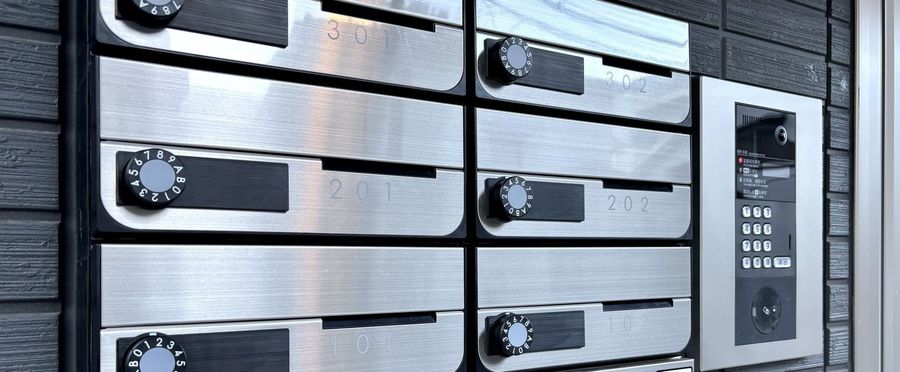
In an astonishing feat of resource co-option, a single building in Japan has emerged as the birthplace of 3,000 start-ups. The news raises pressing questions about the management and operations of these companies. The story brings to fore the innovative spirit of Japan's entrepreneur class, their penchant for adapting to compact spaces, and distinctive challenges that might bubble up in this unconventional business practice.
In Japan, space utilization, especially in its cities, is highly valued. Start-up growth in the country is booming, and this solution reflects a new approach to get many start-ups under one roof. The success or failure of these companies is viewed as a broader economic barometer, leading to significant public interest.
In contrast, start-ups in the US or EU often benefit from larger spaces and more decentralized operations. This unusual densification may raise questions about company management and worker well-being that doesn't typically feature in Western business conversations.