
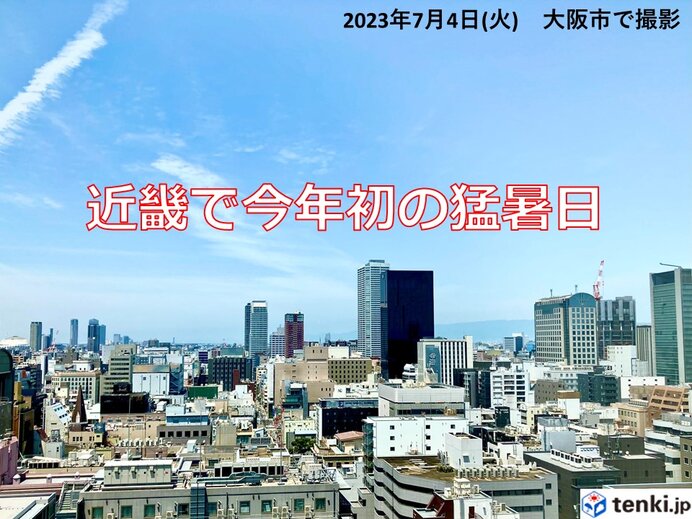
Japan's inland areas are experiencing an intense summer heatwave, prompting authorities to issue a warning for the risk of heatstroke. Citizens are encouraged to take precautions such as staying hydrated and avoiding unnecessary outdoor activities during peak heat hours. As this heatwave is unusually focused on the country's inland regions, those in typically cooler areas are especially urged to heed the warning.
In Japan, this warning is taken seriously by both the public and private sectors. Employers are obliged to ensure worker safety, and schools adjust their outdoor activities. The extreme heat also influences social events, with festivals and gatherings often being postponed, modified, or cancelled. The elderly, young children, and those with chronic diseases are particularly encouraged to remain indoors in the cooler hours.
In comparison to the U.S. or EU, Japan's weather warnings, especially regarding heatwaves, tend to generate more societal response. This is mainly because Japan's high population density in cities can exacerbate the effects of extreme heat. In contrast, in the U.S. and EU, while there are certainly areas that react significantly, the responses in other areas can be less coordinated.