
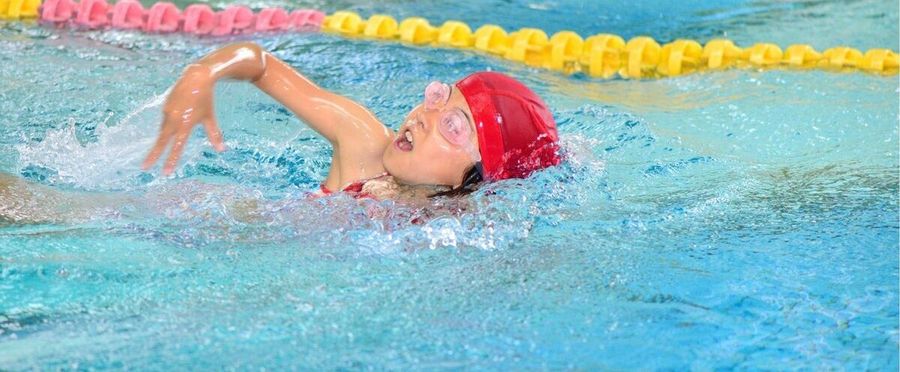
Japanese schools have seen a declining number of swimming lessons recently, which has resulted in growing concerns of widening disparities in swimming capabilities among students. This impacts not only their physical fitness but also poses risks concerning safety in water-related emergencies. The reasons behind the reduction in swimming lessons include budgetary constraints and the prioritization of other academic subjects. The issue is currently under debate with many advocating for better distribution and prioritization of fitness classes at schools.
In Japan, swimming is more than just a sport, it's a survival skill taught to children from an early age given the country's extensive coastlines and popularity of hot springs. So any cut-down in swimming lessons is viewed with concern. Moreover, as high academic pressure is an ever-present issue in Japanese schools, finding the right balance between physical education and academics is often a topic of heated discussion.
In the US, physical education, including swimming, is a crucial part of the curriculum. However, exact regulations differ from state to state. In Europe, countries like the UK also prioritize swimming education, due to similar concerns around safety and health.