
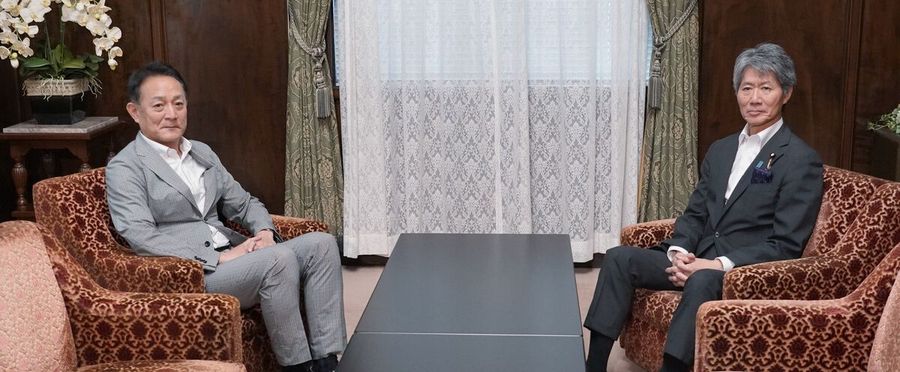
Japan has initiated a debate, reportedly considering various measures to uphold the numerical strength of its Imperial family. The discussion, broadcasted publicly, comes amid concerns related to the sustainability of the country's royal lineage, as regulations currently restrict emperorship to male descendants from a male line, limiting the number of potential successors. The issue has triggered widespread reflection on tradition, gender roles, and legal reform in Japanese society.
Japan's Imperial family is considered a core element of the nation's cultural heritage and identity. However, the family's decreasing size has raised concerns about its future. A small pool of suitable successors, due to existing patriarchal laws, has ignited conversations around potential legal and societal reforms. The Japanese public varies in opinion, with some advocating for preserving tradition, and others pushing for gender equality even in emperial succession.
In contrast, most European monarchies, like those in Sweden, Belgium, Netherlands, and Norway, have already embraced absolute primogeniture, allowing the eldest child, regardless of gender, to succeed the throne. The changes in these nations represent a modern redefinition of monarchy where gender equality is seen as a vital aspect.