
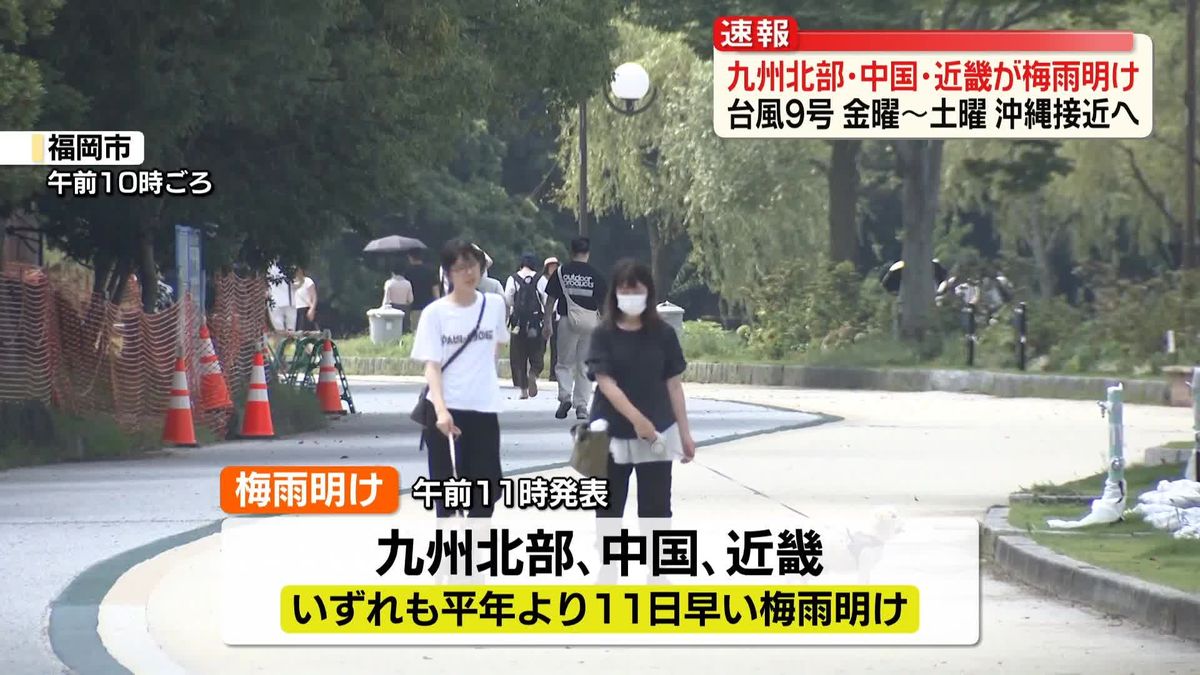
The long spell of monsoon, prolific to the regions of Northern Kyushu, Chugoku, and Kinki in Japan, has officially ended. Residents rejoice as clearer skies are forecasted, marking the end of the heavy rainfall associated with the season. This natural weather change, anticipated annually, paves the way for summer's hot and dry climate, potentially bringing about noticeable shifts in the daily lives and activities of locals.
Monsoon season's end, known as "tsuyu-ake" in Japan, is a significant weather event awaited by farmers, tourism industry and general public. It steers farming activities, as specific crops require post-monsoon conditions, affects tourism with the promise of better, clearer days for sightseers, and is an overall relief from the consistent heavy rains for locals. It's a period of transition that signifies the onset of summer and the yearly recurring cycle of the environment.
Similar to Japan's anticipation of the monsoon's end, many regions in the US (especially the Midwest) and Europe look forward to the cessation of their rainy seasons. It affects farming activities, tourism, and other daily activities, signalling a change of season. However, the duration and intensity of these seasons varies from region to region, unlike the relatively uniform character of Japan's monsoon season across its regions.