
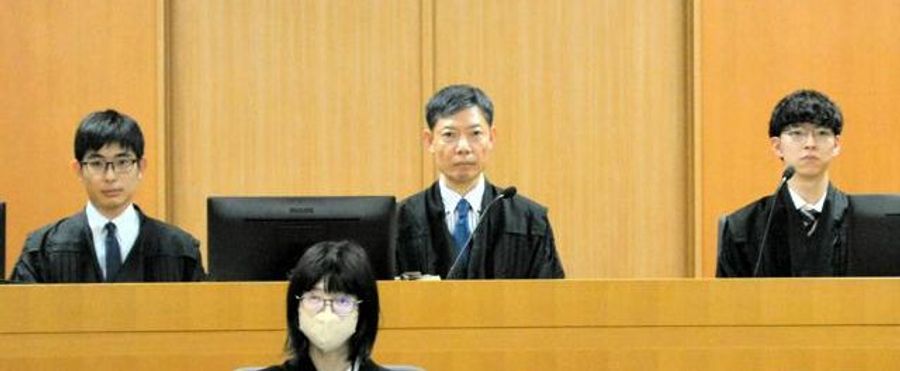
In a gripping drama from Japan's legal system, a defendant in a major trial remains silent for seven months, leaving the jury in a prolonged state of confusion and concern. This unusual case has become a focal point for debates on jury rights and the ethics surrounding a defendant's right to remain silent. The case continues to unfold with the silent defendant shedding no light on the proceedings, causing significant disruption and frustration in the court and a dilemma for the jurors.
In Japan, jury trials are relatively rare and typically reserved for serious criminal cases. The societal impact of this case is significant as it raises important questions about the role and responsibility of the jury in such circumstances. It also highlights the cultural values of patience and respect for the accused's rights, which can sometimes clash with the pursuit of justice.
In contrast, in the U.S. or EU, the defendant's right to remain silent is seen as a fundamental part of the trial process, with the burden of proof lying on the prosecution. Conflicts often arise between the desire for a speedy trial and respect for this right. The Japanese case underlines the cultural differences in handling such situations.