
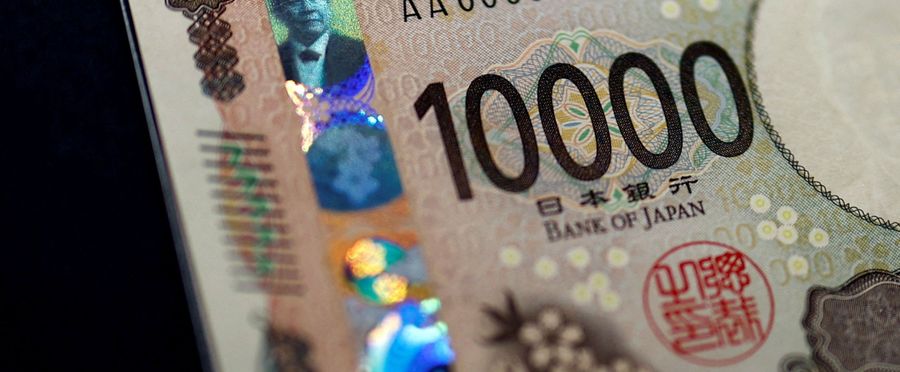
The recent rise of a "robust market" in Japan has evoked a sense of crisis around the Prime Minister's office. Although this strong economy is seen as a boon by many, there are emerging concerns over potential pitfalls. There is growing apprehension about issues like rapid inflation or sudden market collapse. It's a delicate balancing act for the PM's office as they strive to keep the economy booming while remaining vigilant against the potential economic risk factors.
Economic stability is a major concern in Japan. With an aging population and declining birth rates, there is pressure on the government to keep the economy thriving to support social services. The mention of "robust market" usually signifies prosperity, however, Japanese are cautious about potential economic bubbles given their recollection of the 'lost decade'.
In the US or EU, reactions to a similar scenario would likely be mixed. While a robust market usually indicates a strong economy, there's also recognition of the potential for economic bubble and subsequent downturn. Therefore governments, much like in Japan, have to balance the growth while being prepared for the potential pitfalls.