
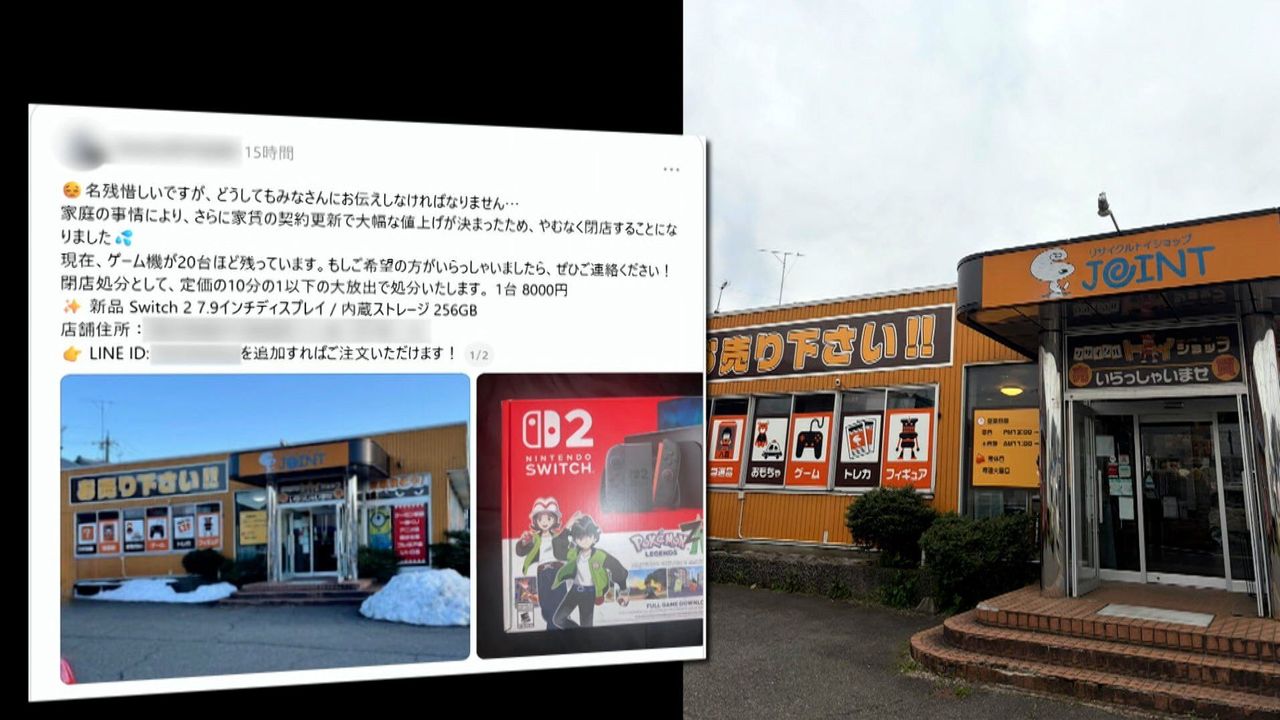
A recent revelation has surfaced in Japan, highlighting a case of impersonation where an individual falsely announced a store's closing sale. Their deceitful post took the online sphere by storm, causing significant distress to the store owner. This alarming trend of digital impersonation has been met with widespread indignation, and strict measures are being amplified to curb such instances.
In Japan, people place significant value on trust and reputability in business relationships, with such incidents threatening this social fabric. An intense sentiment of displeasure echoes among the Japanese populace, given their strong stance against deceit and their high regard for consumer rights. Legal measures against such malicious online behavior are imminent, underscoring Japan's commitment to protect its citizens and businesses, both offline and online.
In the United States or the European Union, such incidents are treated with similar gravity. These regions have robust legal mechanisms to combat cyber fraud and identity theft. However, the cultural context varies, with a broader acceptance for the "buyer-beware" concept and a higher emphasis on individual responsibility in Western societies, compared to Japan's collective approach.