
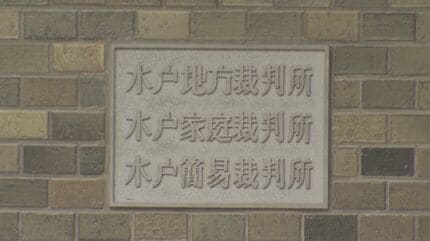
In an unexpected turn of events, a Japanese court has acquitted one of the murder charges arising from lethal air injections. The accused, a former medical professional, stood trial for two separate cases where death allegedly resulted from his injection of air into patients' intravenous lines. The court ruled innocent in one case due to lack of clear-cut evidence, while the second case led to conviction. The cases and verdicts have stirred substantial public debate across Japan.
In Japan, the judicial system focuses heavily on maintaining high conviction rates, often leading people to perceive Japanese courts as infallible. This rare situation of mixed verdicts has engendered serious discussions regarding medical malpractices, the legal system's approach to evidence, and the sanctity of life. The topic is sensitive due to the involvement of a healthcare professional and a consequential questioning of trust in the Japanese medical field.
In the US or the EU, such cases might also spark intense medial and public scrutiny. Medical malpractice is handled seriously with lawsuits potentially leading to license revocation. In legal terms, the court's decision varies based on the evidence available and the unique circumstances surrounding each case. People equally value the importance of the legal and healthcare systems upholding their responsibilities, contributing to public trust.