
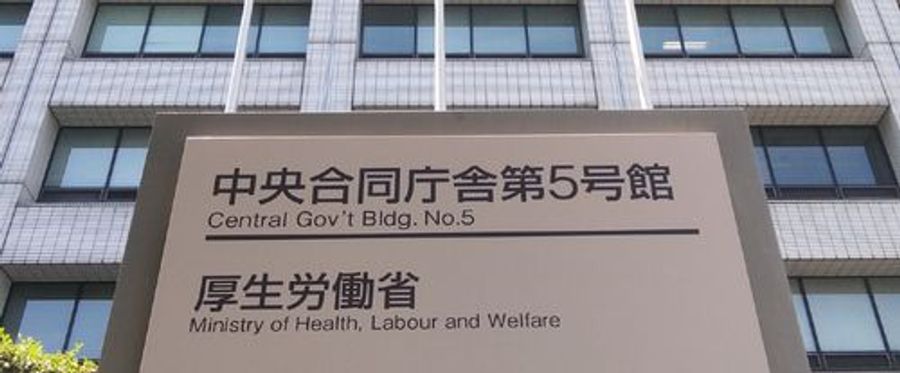
Japan is reinforcing its clinical systems to rigorously manage patients with Class 1 infectious diseases. This comes in response to global health crises and the imperative to safeguard public health. The aim is to improve patient care, containment, and treatment swiftly and effectively to reduce the overall impact on society.
In Japan, Class 1 infectious diseases, which include illnesses such as Ebola and new forms of influenza, are given utmost priority due to their high potential to cause significant harm to public health. The Japanese people highly value both community safety and the effectiveness of their healthcare system. This move to strengthen the treatment structure signifies the government’s steadfast commitment to securing public health safety.
In the USA or EU, similar measures are routinely taken to bolster healthcare systems. These regions continually update their protocols and invest in healthcare infrastructure for infectious diseases. The articulation of such actions often emerges through responsive healthcare policies and enhanced funding for related research essential in disease prevention and control.