
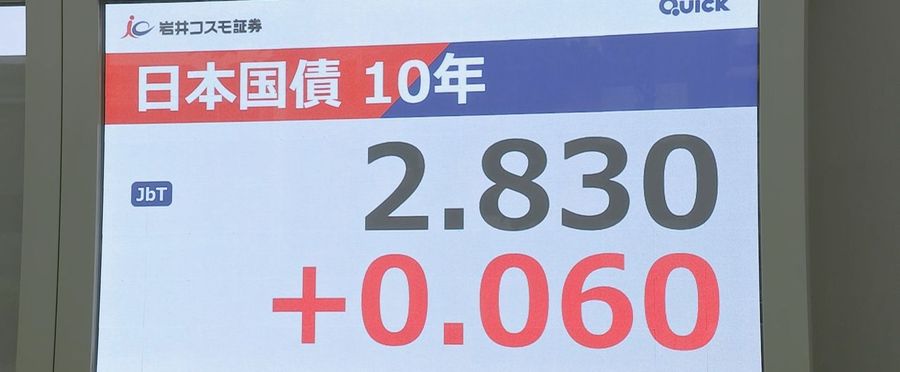
In the latest development, Japan's long-term interest rates have continued to ascend, reaching a temporary peak of 2.83%. This surge reflects underlying monetary policy decisions and economic factors, including changing investor preferences and current market expectations. The Bank of Japan, with its guiding interest rate policies, continues to shape the investment climate while balancing measures to boost the economy.
Interest rates significantly impact the Japanese economy, influencing borrowing costs, investments, and consumer spending habits. Given Japan's history of very low (and sometimes negative) interest rates aimed at stimulating economic activity, an escalation marks a substantial change. The society and the business community closely monitor these fluctuations as they can profoundly influence their financial decisions.
The US and EU currently hold a less aggressive stance towards interest rate adjustments, in contrast to Japan. Interest rates in these regions are monitored by the Federal Reserve and European Central Bank, respectively. Fluctuations in interest rates are treated with similar importance as they directly affect borrowing costs and influence economic activity.