
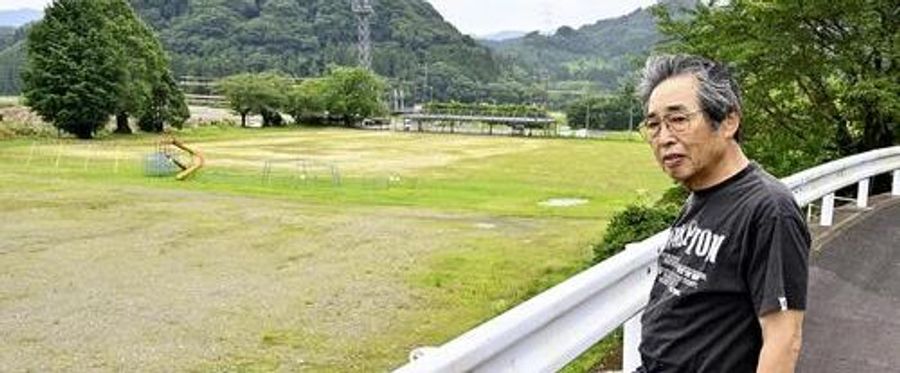
Six years following an intense rainstorm in Kyushu, one village finds itself on the brink of becoming a 'genkai shuraku', or marginal village. As the name suggests, these are communities with an aging population and severe depopulation, pushing them to their socio-economic limits. The impacting factors in this transformation include the aftermath of the disaster, subsequent outmigration, and the broader trend of aging in rural Japan.
In Japan, the depopulation of rural areas, coupled with an aging society, is a significant issue. This situation especially hits hard in regions recently struck by natural disasters, with younger generations moving out. This change reflects on the country's balance between urban and rural communities, along with infrastructure and service allocation.
In the US or EU, rural depopulation issues vary. Certain areas, like the American Midwest, experience this issue alongside an aged demographic and youngsters etching towards urbanized areas. In contrast, some rural EU areas see an influx of city dwellers seeking a cleaner, quieter environment. It's noteworthy that natural disasters can exacerbate this problem, but the impact varies greatly region by region.