
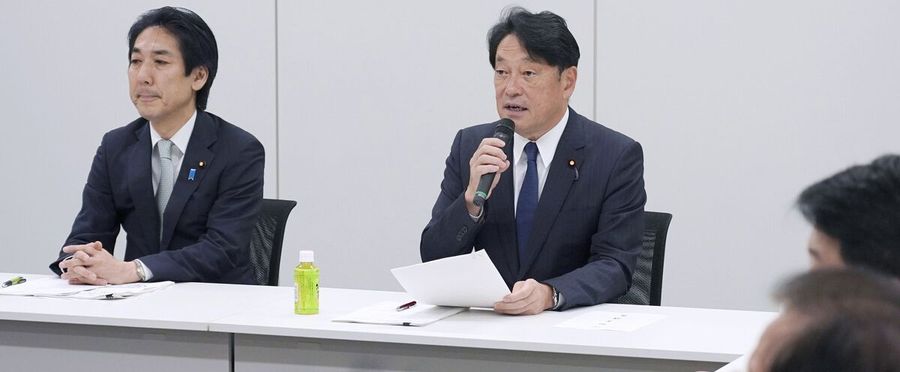
The prospect of reducing Japan's consumption tax is growing increasingly uncertain, as indicated by the vague conclusions drawn from the latest governmental meetings. The idea of cutting the current 10% consumption tax to stimulate economic activity has been under review for some time, yet the feasibility and impact of such an endeavor remain contentious. Amidst arguments, negotiations appear to have reached a standstill, leaving the future of this financial proposal hanging in the balance.
Tax issues, particularly around consumption tax, are critical in Japan as the government seeks ways to alleviate economic strain on citizens while maintaining fiscal balancing strategies. Japan's consumption tax is relatively high compared to other nations, and any modifications are closely tied with nationwide concerns about the economy, spending power, and affordability of everyday goods.
In the US or EU, discussions about value-added tax (VAT) or sales tax reductions are similarly politically charged. These issues revolve around stimulating consumer spending and the potential effects on governmental revenues. However, they are often part of a broader conversation about fiscal policy, including income tax and corporate tax rates.