
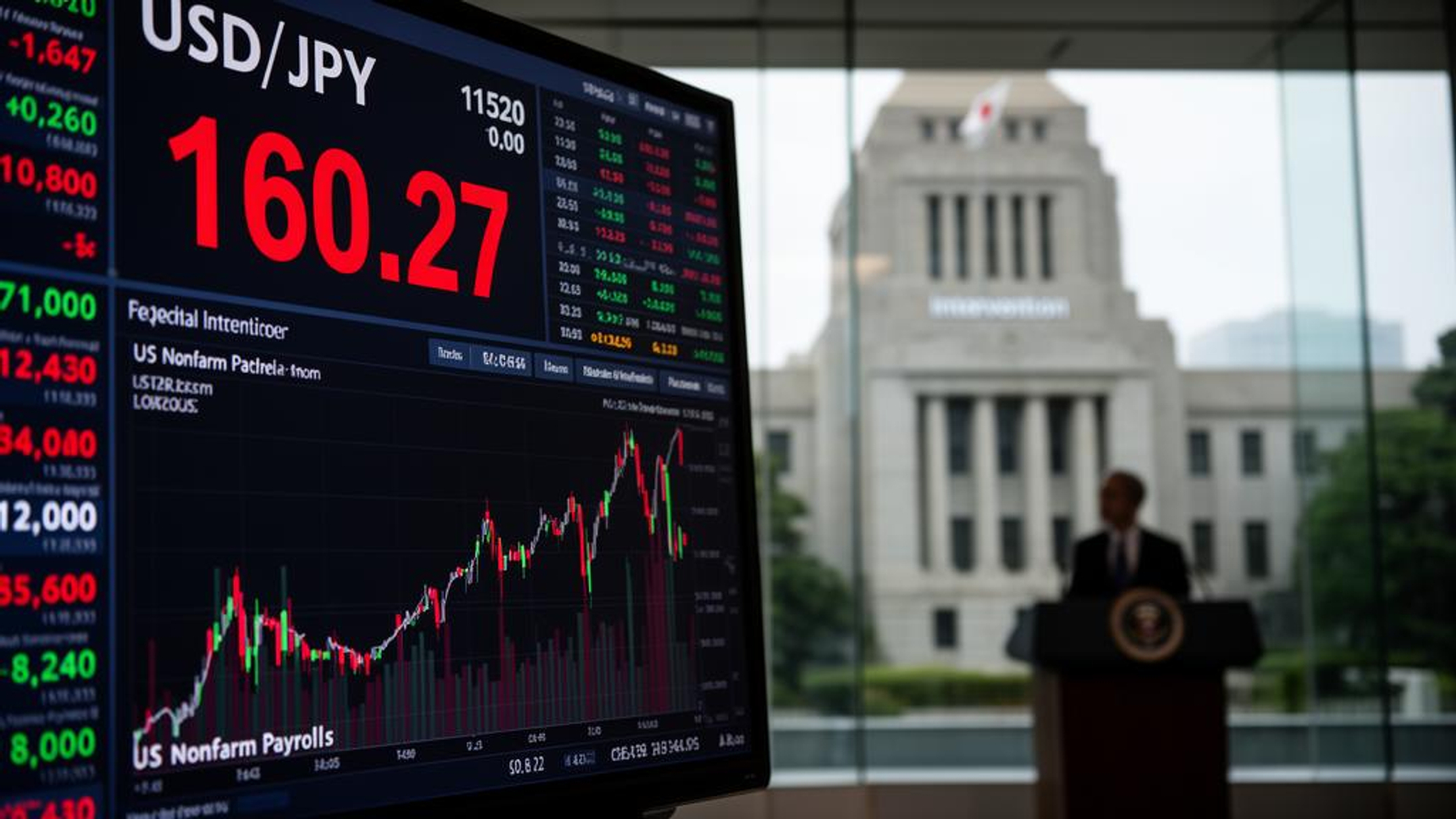
After the release of U.S. employment statistics, the Japanese yen continues to experience tumultuous fluctuations. These indicators have significant implications for Japan's economic landscape, affecting both the national and global fronts. The extent and timing of these erratic movements remain uncertain, leading to keen observations by investors and economists alike.
The foreign exchange rate, particularly with major economies like the U.S., plays a crucial role in Japan's export-oriented economy. The country's stock market and economic outlook heavily depend on employment statistics and other key indicators from the U.S., which often trigger sharp shifts in the value of the yen. This is of major concern to businesses, policymakers, and investors in Japan.
In the U.S or EU, changes in the foreign exchange rates also bear substantial consequences, particularly for multinational corporations and import/export industries. However, given the larger domestic markets and diversified economies in these regions, they may be less sensitive to these changes compared to Japan.