
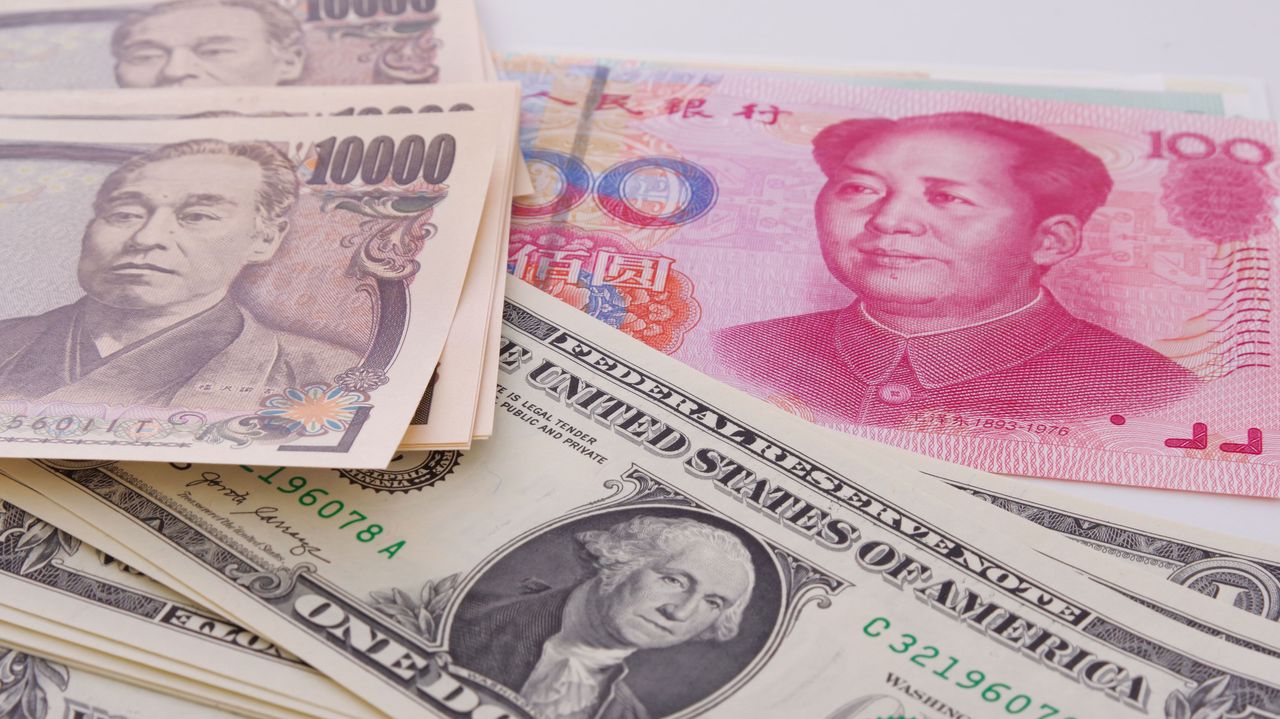
The purchasing power of the Japanese yen has approximately halved over the last 40 years, a substantial devaluation that is impacting the nation's economy. This ongoing trend, determined by comparing average wages, prices, and lifestyle, results from various contributing factors including inflation and monetary policy changes. The devaluation may exert pressure on consumer spending, and its effects can be witnessed in daily life with raising living costs in Japan.
In Japan, the decline in the yen's purchasing power is an issue of significant public concern, as it directly impacts people's living cost and lifestyle. The rising cost of goods and services over the years, combined with stagnant wages, has led to increased financial stress among households. As Japan is a country with a high aging population, the issue also affects the elderly who rely heavily on their savings for retirement.
In comparison, countries like the US and EU also face issues with inflation and currency devaluation, but the impacts differ due to various factors such as economic structure and policies, and income levels. For example, in the US, inflation is often seen as a sign of a growing economy and is managed through interest rate adjustments by the Federal Reserve.