
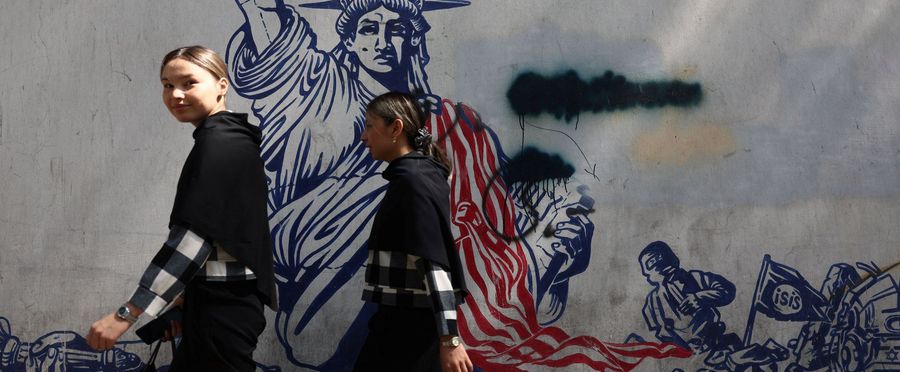
The indirect negotiations between the U.S. and Iran have reached an impasse. Despite ongoing efforts, there's been no visible progress in discussions aimed at returning both parties to compliance with the 2015 nuclear deal. The timing and location of the talks are unspecified, but they are likely mediated by European diplomats. The underlying reasons for the stagnation in talks remain unclear, fueling further speculation and concern.
Given Japan's historical relationship and interests in both the U.S. and Iran, this development is closely monitored within the country. Japan has a vested interest in ensuring regional stability, particularly because of its dependence on Middle Eastern oil. Additionally, as a peace-loving nation that upholds non-proliferation of nuclear weapons, the stalemate alarms many Japanese policymakers and citizens.
Unlike Japan, which takes a more passive observer role, the U.S., and certain EU countries like Germany, France, and the U.K., are directly involved in the negotiations. These western entities are particularly engaged and active in resolving this issue due to their vested strategic interests: nuclear non-proliferation, regional stability, and balancing power dynamics.